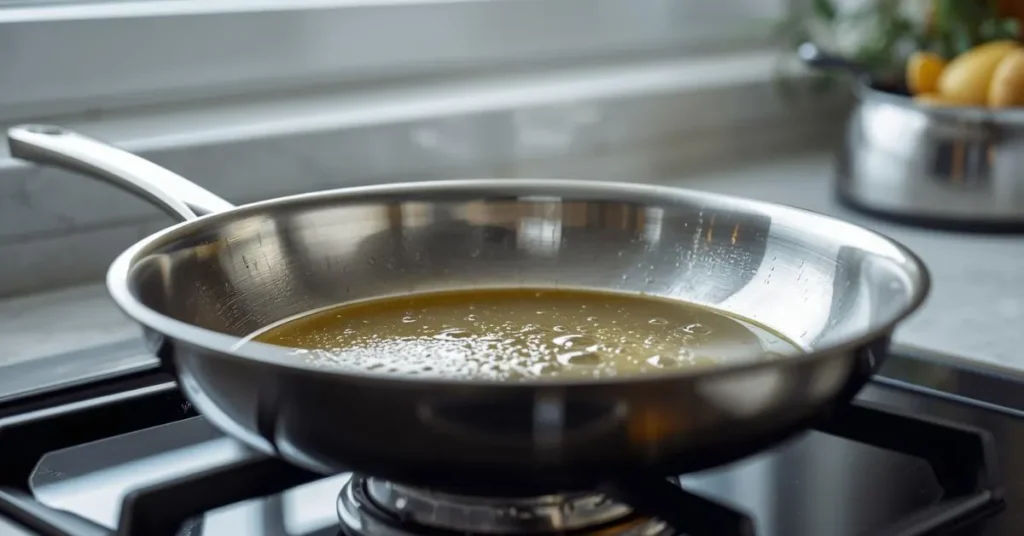
If food keeps sticking to your stainless steel pan, you are not doing anything wrong.
Stainless steel pans stick because they are not nonstick by design. Most sticking happens when the pan is not hot enough, oil is added too early, or moisture blocks proper browning.
The good news is this is completely normal. It usually points to a small technique issue, not bad cookware.
Once you understand how stainless steel works—and follow the right order—food releases more easily, browning improves, and cooking feels more controlled.
This guide explains why stainless steel pans stick and shows you simple, proven ways to stop it.
If you are still choosing cookware, our guide to the best stainless steel cookware sets shows what to look for and which options work well for everyday cooking.
Why Do Stainless Steel Pans Stick?
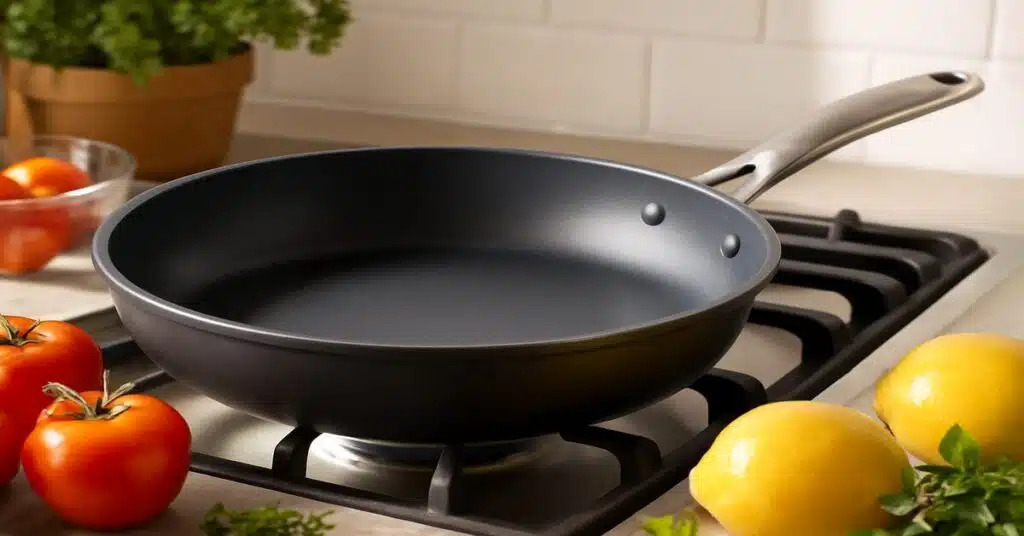
Stainless steel pans stick because they have a bare metal cooking surface. They do not have a nonstick coating to block food from touching the pan.
Because of this, heat control matters more with stainless steel than with nonstick cookware.
When the pan is cold, its surface has tiny pores. If you add food too early, proteins and starches settle into those pores and stick to the pan.
As a result, food sticks before browning begins. This browning happens because of a natural heat reaction called the Maillard reaction.
However, this changes once the pan heats up.
When the pan gets hot, the metal expands slightly. This helps close the pores and supports proper browning.
Once browning starts, food releases more easily from the surface.
In simple terms
- Cold pan → food sticks
- Properly heated pan → food releases naturally
So, sticking is not a defect in stainless steel cookware. It simply shows that heat or timing needs adjustment.
This is normal when cooking with bare metal pans.
Stainless Steel Is Not Nonstick by Design
No, stainless steel pans are not nonstick.
Stainless steel cookware has a bare metal cooking surface. It does not use a nonstick coating to stop food from touching the pan.
Because of this, stainless steel works differently from nonstick cookware.
Stainless steel pans are designed for control and browning, not easy release. That is why many professional kitchens still rely on them.
If you are unsure which surface fits your cooking style, our stainless steel vs nonstick cookware comparison gives a simple side-by-side breakdown.
A stainless steel pan works best for:
- Searing meat
- Developing a golden crust
- Creating fond for sauces
Nonstick pans focus on quick release and low effort. Stainless steel focuses on flavor, control, and precision.
When you use a stainless steel pan the right way, food releases on its own after it browns.
So, if food sticks, it does not mean the pan is low quality. It simply means the pan is being used like nonstick cookware, which it is not.
Common Reasons Food Sticks to Stainless Steel Pans
Stainless steel pans stick for a few clear reasons. In most cases, the problem is not the pan itself.
Heat, timing, or moisture usually causes the issue.Let’s look at the most common mistakes home cooks make.
The Pan Isn’t Hot Enough
This is the most common reason food sticks.
When you add food too early, the pan surface is still tight. Proteins sink into the metal and stick to it.
A hot pan helps food release after browning begins.
What to do instead
- Preheat the pan on medium heat for 2–3 minutes
- Make sure the pan feels hot before adding oil
Cold-pan cooking works with nonstick cookware. It does not work with stainless steel. Many beginners struggle at first, but understanding the stainless steel cookware pros and cons makes these techniques easier to follow.
Oil Is Added at the Wrong Time
Adding oil to a cold pan is a common mistake.
As the pan heats slowly, the oil spreads unevenly. It can also burn in spots and increase sticking.
What to do instead
- Heat the pan first
- Add oil only after the pan is hot
- Swirl the oil, then add food
This small timing change makes a big difference.
Food Is Too Cold or Too Wet
Cold or wet food creates two problems.
Moisture turns into steam and blocks browning. Cold food also lowers the pan temperature fast.
Both lead to sticking.
What to do instead
- Let food rest at room temperature for a few minutes
- Pat food dry before cooking
Dry food browns better, and browning helps food release.
Heat Is Too Low or Too High
Heat control matters more than many people think.
Low heat stops proper browning, so food sticks. Very high heat burns oil and creates residue.
Stainless steel works best with steady, moderate heat.
What to do instead
- Use medium heat for most cooking
- Adjust heat slowly, not suddenly
Think control, not intensity.
Food Is Moved Too Early
Many foods stick at first. This is normal.
As food browns, it releases on its own. Moving it too soon breaks this process.
What to do instead
- Place food in the pan and leave it alone
- Flip only when it releases easily
If it resists, it is not ready yet.
Built-Up Residue on the Pan
A pan can look clean and still cause sticking.
Burnt residue or old oil creates rough spots. Food can grab these spots and stick.
What to do instead
- Clean the pan well after each use
- Remove brown or black buildup before cooking again
A clean surface cooks more evenly and releases food better. For deeper cleaning tips, our guide on how to clean stainless steel cookware shows safe ways to remove buildup.
Why Do Eggs Stick to Stainless Steel Pans?
Eggs stick to stainless steel pans because they are very sensitive to heat and timing. Pan shape also makes a difference. A quality stainless steel frying pan gives better heat control for cooking eggs.
Eggs are high in protein. When protein touches a pan that is not ready, it bonds quickly to the metal surface. This makes eggs stick faster than most other foods. Eggs stick easily because of how egg proteins change with heat and set quickly on hot surfaces.
That is why eggs often fail on stainless steel, even when meat or vegetables cook fine.
The Two Main Reasons Eggs Stick
1. The Pan Is Not at the Right Temperature
Eggs need steady, moderate heat. If the pan is too cool, the eggs bond to the surface. If the pan is too hot, the eggs cook unevenly and tear.
Both lead to sticking.
2. The Fat Is Not Ready Before the Eggs Go In
Butter or oil needs time to heat and coat the pan evenly. If you add eggs too early, they touch bare metal. This almost always causes sticking.
How to Cook Eggs on Stainless Steel Without Sticking
You do not need special cookware. You only need better timing.
- Preheat the pan on medium heat
- Add oil or butter and let it heat briefly
- Add eggs only after the fat melts or shimmers
- Let the eggs set before moving them
If the eggs resist when you lift them, wait a few seconds. Once the proteins set and light browning starts, the eggs release naturally.
Should You Avoid Eggs on Stainless Steel?
No. It just takes practice.
Stainless steel pans are less forgiving than nonstick pans. However, they are not difficult once you learn the timing. If you want zero effort, nonstick is easier. If you want control and long-lasting cookware, stainless steel works well.
How to Cook With Stainless Steel Without Sticking
Cooking with stainless steel without sticking depends on timing and heat control. When you follow the right order, cooking becomes much easier.
Use this simple method every time.
Step 1: Preheat the Pan Properly
Place the pan on the stove and heat it on medium heat for 2–3 minutes.
Do not rush this step. Stainless steel needs time to heat evenly. A hot pan helps prevent food from bonding to the surface.
Step 2: Add Oil After the Pan Is Hot
Once the pan is hot, add oil or butter.
The fat should spread easily across the surface. This creates a barrier between the food and the metal.Do not add food to cold oil in a cold pan.
Step 3: Let the Oil Heat Briefly
Give the oil a few seconds to warm up.
Oil that is too cool will not protect the surface. Oil that is smoking is too hot.You want the oil warm and fluid, not burning.
Step 4: Add Food and Leave It Alone
Place the food in the pan and avoid moving it right away.
Most foods stick at first. This is normal. As browning starts, the food releases naturally.If it resists when you try to flip it, wait a little longer.
Step 5: Use Steady, Moderate Heat
Stainless steel works best with steady heat.
Low heat prevents browning. Very high heat burns oil and creates residue.
Medium heat gives you control and better results. Make small changes instead of sudden ones.
Step 6: Clean the Pan After Cooking
After cooking, clean the pan well.
Remove stuck bits or brown residue before the next use. A clean surface cooks more evenly and reduces sticking next time.
The Key Rule to Remember
- Hot pan first
- Oil second
- Food last
Follow this order, and sticking becomes much less of a problem.
Is It Normal for Stainless Steel Pans to Stick?
Yes, it is normal for stainless steel pans to stick if they are used the wrong way.
Stainless steel is bare metal cookware. It does not have a nonstick coating to protect food from the surface.
Because of this, stainless steel depends on heat control, oil timing, and patience. When any of these are off, food can stick.
This does not mean the pan is low quality. It simply means stainless steel is less forgiving than nonstick cookware.
Once you understand how stainless steel behaves, sticking becomes predictable and much easier to control.
When Stainless Steel Is the Right Choice
Stainless steel pans are not the best choice for every task. However, they work very well for certain types of cooking.
Stainless steel is a good option when you want:
- A strong sear on meat
- Even browning
- Better control over heat
- A durable pan that lasts for years
Because of these benefits, many professional kitchens use stainless steel pans every day.
Once you learn how to use them, stainless steel pans give steady and reliable results.
For delicate foods that need very easy release, nonstick pans can still help. For everyday cooking that benefits from browning and control, stainless steel is often the better tool.
FAQs About Stainless Steel Pans Sticking
Are stainless steel pans supposed to be nonstick?
No. Stainless steel pans are not nonstick by design. They use a bare metal surface and rely on heat and timing to release food.
Why does everything stick to my stainless steel pan?
This usually happens when the pan is not hot enough or food is added too early. Moisture and poor heat control also increase sticking.
How do I stop food from sticking to a stainless steel pan?
Preheat the pan first, then add oil, and wait before adding food. Following this order prevents most sticking problems.
Why do eggs stick more than other foods?
Eggs are very sensitive to heat and timing because of their protein content. If the pan or fat is not ready, eggs stick quickly.
Do I need to use oil in a stainless steel pan?
Yes. Oil creates a barrier between food and the metal surface. Without oil, food is more likely to stick.
What oil is best for stainless steel pans?
Oils with a higher smoke point work best, such as avocado or canola oil. They handle heat better and reduce sticking.
Does preheating really prevent sticking?
Yes. Preheating helps the metal surface release food after browning starts. A cold pan increases sticking.
Is food sticking a sign of bad cookware?
No. Food sticking usually points to heat or timing issues. It does not mean the pan is low quality.
Can stainless steel pans become nonstick over time?
Stainless steel does not become nonstick like coated pans. However, correct technique makes sticking much less common.
Do professional chefs use stainless steel pans?
Yes. Many professional kitchens prefer stainless steel pans. They offer better control, browning, and long-term durability.
Final Takeaway
Stainless steel pans stick because they are designed for control, not convenience. They do not rely on a nonstick coating. They rely on heat, timing, and patience.
When food sticks, it usually means the pan was not hot enough, oil was added too early, or food was moved too soon. It does not mean the cookware is bad or defective.
Once you learn the right order—hot pan first, oil second, food last—stainless steel becomes predictable and easy to manage. Browning improves, food releases naturally, and cooking feels more controlled.
If you want an effortless release with little attention, nonstick pans can help. If you want better browning, durability, and long-term performance, stainless steel is often the better choice.
Sticking is not a failure. It is feedback. And with the right technique, it stops being a problem.