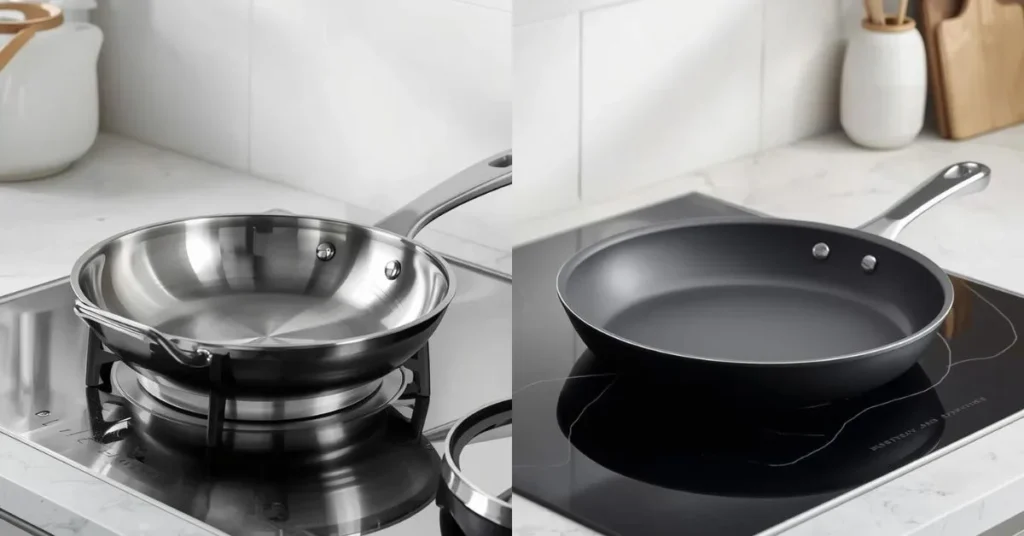
Stainless steel cookware is better for high-heat cooking, durability, and long-term use.
Nonstick cookware is easier to use and works best for low-heat cooking and delicate foods.
For most home kitchens, using both stainless steel and nonstick cookware gives the best results.
Choosing between stainless steel and nonstick cookware can feel confusing.One pan claims to last forever. Another promises easy eggs and quick cleanup.
The truth is simple.
Both types work well, but they work best for different cooking styles.
If you cook on high heat and want cookware that lasts for years, stainless steel often wins.If you want easy cooking with little effort, nonstick cookware feels easier, especially for beginners.
In this guide, you will learn the real difference between stainless steel vs nonstick cookware.
We will compare cooking performance, health and safety, durability, cleaning, and long-term value.
By the end, you will know which cookware fits your kitchen best.You will also see why many U.S. home kitchens keep both types for everyday cooking.
Let’s start with a quick side-by-side comparison.
Stainless Steel vs Nonstick Cookware: Quick Comparison
Choosing between stainless steel and nonstick cookware can feel confusing at first.This quick comparison shows the key differences side by side, so you can decide faster.
Quick Comparison Table
| Feature | Stainless Steel Cookware | Nonstick Cookware |
| Heat tolerance | Handles high heat very well | Best for low to medium heat |
| Food sticking | Can stick without proper technique | Food releases easily |
| Ease of use | Needs some learning | Very easy for beginners |
| Best for | Searing, browning, sauces | Eggs, pancakes, delicate foods |
| Health & safety | No coating, very stable | Safe with proper use |
| Durability | Can last for decades | Coating wears out over time |
| Cleaning | May need more effort | Very easy daily cleanup |
| Long-term value | Higher upfront cost, lasts long | Lower upfront cost, needs replacement |
Quick Takeaway
If you want long-lasting cookware that handles high heat, stainless steel is the better choice.
If you want easy cooking and quick cleanup, nonstick cookware is the easier option.
For most home kitchens, using both types together works best.
What Is Stainless Steel Cookware?
Stainless steel cookware is made from a strong mix of steel and other metals.It resists rust, corrosion, and stains, so it lasts a long time.
Most high-quality stainless steel pots and pans use multi-ply construction.This means an aluminum or copper core sits between stainless steel layers.
This design matters because stainless steel alone does not spread heat well.The core helps the pan heat evenly, while the steel keeps it strong and stable.
Because of this balance, stainless steel cookware handles high heat cooking with ease.
That is why many professional kitchens and serious home cooks trust it.
How Stainless Steel Cookware Works
Stainless steel cookware works by using different metals together. Each metal has a clear job.
- The aluminum or copper core spreads heat fast and evenly
- The stainless steel surface holds heat and resists rust
This setup gives you better control while cooking.It helps with browning, searing, and building flavor in food.
Why Food Sticks on Stainless Steel
Food sticks on stainless steel cookware when the pan is not heated properly or when too little oil is used.
This is a common issue for many home cooks, especially beginners.If you want a deeper explanation, this guide explains exactly why stainless steel pans stick and what causes food to bond with the surface.
The good news is that sticking is easy to control with the right technique.
Proper preheating and oil timing make a big difference. If you want a step-by-step method, this guide shows how to season a stainless steel pan to reduce sticking and improve cooking results.
Who Stainless Steel Cookware Is Best For
Stainless steel cookware works best for people who want control and durability.It suits cooks who plan to use their cookware for many years.
It is a good choice if you:
- Cook often at home
- Use high heat for searing and browning
- Want cookware that lasts for decades
- Prefer pans without chemical coatings
Once you learn how to use stainless steel properly, it becomes very reliable. It is one of the most versatile cookware options for everyday cooking.
What Is Nonstick Cookware?
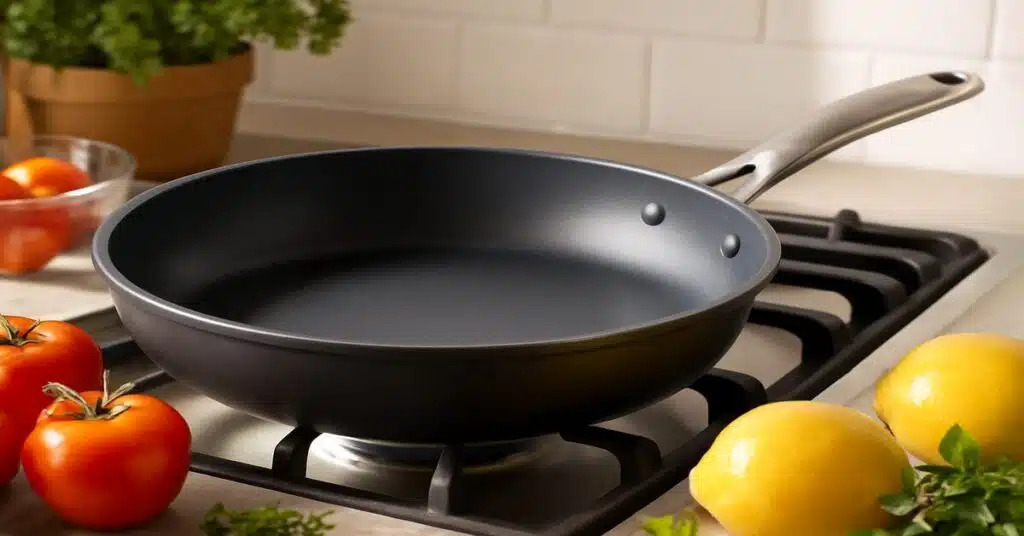
Nonstick cookware has a smooth coating that stops food from sticking. This coating is usually made from PTFE-based materials or ceramic alternatives.
The main goal of nonstick cookware is ease. Food releases easily, so cooking feels simple and quick.
Because of this, nonstick pans are very common in U.S. home kitchens. Many beginners and busy home cooks prefer them for daily meals.
How Nonstick Coating Works
Nonstick cookware uses a special chemical coating. This coating creates a smooth surface on the pan.
The smooth surface keeps food from bonding with the metal. That is why eggs, pancakes, and fish slide out easily.
Modern nonstick pans no longer use PFOA, which raised health concerns in the past. When used correctly, today’s nonstick cookware is safe for everyday cooking.
Why Nonstick Cookware Is Easy to Use
Nonstick cookware focuses on convenience, not technique. You do not need much oil or careful heat control.
It works best for:
- Eggs and omelets
- Pancakes and crepes
- Fish and delicate foods
- Quick weekday meals
Because food releases easily, cleanup is fast and simple. This makes nonstick cookware very beginner-friendly.
Limitations of Nonstick Cookware
Nonstick cookware does have limits.The same coating that makes it easy to use also needs care.
Nonstick pans:
- Do not handle high heat well
- Can wear down over time
- Need gentle utensils
- Often need replacement after a few years
Using high heat or metal tools can damage the coating.Once the coating wears out, the pan should be replaced.
The biggest limitation of nonstick cookware is the coating itself. While modern nonstick pans are safe when used correctly, problems can occur if the pan overheats or the coating becomes damaged. If safety is your main concern, this detailed guide explains nonstick cookware safety and how to use it properly at home.
The American Cancer Society explains that concerns around cookware materials are mainly related to misuse or overheating, rather than normal home cooking.
Key Takeaway About Nonstick Cookware
Nonstick cookware works best for low-heat, everyday cooking. It offers comfort and speed, but not long-term durability.
If you value easy cooking and fast cleanup, nonstick is a great choice.If you want cookware that lasts for decades, stainless steel performs better.
The Core Difference You Should Know
The real difference between stainless steel and nonstick cookware is how they interact with heat and food.
- Stainless steel relies on heat control and technique
- Nonstick relies on a coating to prevent sticking
Neither option is “better” for everyone. They are designed for different cooking styles and priorities. Understanding this difference makes the rest of the comparison much clearer.
Cooking Performance: Stainless Steel vs Nonstick
Cooking performance shows the biggest difference between stainless steel and nonstick cookware. Both can cook food well, but they perform best in different situations. The right choice depends on heat level, food type, and cooking skill.
High-Heat Cooking and Searing
Stainless steel cookware works very well at high heat. It handles strong stovetop heat and oven use without damage.
This makes it ideal for:
- Searing steak
- Browning vegetables
- Building flavor through caramelization
When food sticks slightly to stainless steel, it creates browned bits. These bits add deep flavor to sauces and gravies.
Nonstick cookware does not handle high heat well. Too much heat can damage the coating and shorten its life.
Professional cooking tests and technique guides from Serious Eats show that stainless steel performs better than nonstick pans for high-heat searing and browning.
Key takeaway: If you cook at high heat or enjoy searing, stainless steel performs better.
Eggs, Fish, and Delicate Foods
Nonstick cookware shines with delicate foods. Eggs, fish, and pancakes release easily with very little oil.
This makes cooking feel smooth and stress-free. It is especially helpful for beginners.
Stainless steel can cook these foods too. However, it needs proper preheating and correct oil timing.
Without good technique, delicate foods may stick. This can frustrate new cooks.
Key takeaway: If easy eggs and delicate foods matter most, nonstick is more forgiving.
Control and Learning Curve
Stainless steel cookware has a learning curve. You need to understand heat control and preheating.
Once learned, it gives better control and precise results. Many experienced cooks prefer this flexibility.
Nonstick cookware is simple to use. It needs little skill and gives consistent results right away.
Health and Safety: Stainless Steel vs Nonstick
Health and safety matter most for many home cooks. This is especially true for families who cook every day.
Both stainless steel and nonstick cookware can be safe. The key is how they are made and how you use them.
Is Stainless Steel Cookware Safe?
High-quality stainless steel cookware is widely considered safe for everyday cooking. It uses food-grade steel and does not rely on surface coatings.
Stainless steel stays stable at high heat. It does not break down or release harmful materials during normal cooking.
Because of its strength and durability, many people choose stainless steel for long-term use. It offers peace of mind for those who want simple and reliable cookware.
Many home cooks choose stainless steel because it does not rely on chemical coatings and stays stable at high heat.
It is widely considered safe for everyday cooking when made from food-grade materials. If you want a deeper breakdown of materials, heat tolerance, and safety concerns, this guide explains is stainless steel cookware safe in detail.
Stainless steel is widely used in food-contact materials, and safety research indexed by the National Institutes of Health supports its stability and corrosion resistance during cooking.
Is Nonstick Cookware Bad for Health?
Modern nonstick cookware is generally safe when used correctly. Most concerns come from older cookware or improper use.
Today’s nonstick pans:
- Do not use PFOA, which raised concerns in the past
- Use PTFE coatings that stay safe at normal cooking temperatures
Problems can occur if nonstick pans overheat or the coating wears out.
To use nonstick cookware safely:
- Cook on low to medium heat
- Use gentle utensils
- Replace pans when the coating shows damage
When used as intended, nonstick cookware is safe and convenient for daily meals.
Oven and Dishwasher Safety
Stainless steel cookware is usually oven safe and dishwasher safe. This depends on the handles and overall build.
Because it handles heat well, stainless steel offers more flexibility. You can move it from stovetop to oven with ease.
Nonstick cookware often has lower heat limits. Frequent dishwasher use can also shorten the life of the coating.
Safety Takeaway
- Stainless steel offers higher heat tolerance and long-term stability
- Nonstick is safe with proper use but needs more care
- Neither option is dangerous by default
- Safe cooking depends on heat level and correct use
Choosing the right cookware is less about fear and more about how you cook every day.
Durability and Long-Term Value
Durability is one of the biggest differences between stainless steel and nonstick cookware. It also plays a major role in long-term value.
The longer a pan lasts, the less often you need to replace it. That matters for both cost and peace of mind.
Which Cookware Lasts Longer?
Stainless steel cookware is known for its strength and long life. A well-made stainless steel pan can last for decades with normal use. It does not use a surface coating. So nothing peels, flakes, or wears away over time.
Scratches may appear, but they do not affect safety or performance. Nonstick cookware has a shorter lifespan. Even with good care, the coating slowly wears down. Once food starts sticking or the coating shows damage, the pan usually needs replacement.
Replacement and Cost Over Time
At first, nonstick cookware often looks cheaper. Stainless steel usually costs more upfront, especially multi-ply sets.
However, long-term cost tells a different story.
- Stainless steel cookware may last for decades
- Nonstick pans often need replacement every few years
Over time, replacing nonstick pans again and again can cost more. Buying stainless steel once often saves money in the long run.
Environmental Impact (Simple View)
Durable cookware creates less waste over time. Because stainless steel lasts longer, it gets replaced less often.
Nonstick cookware needs more frequent replacement. This leads to more discarded pans over the years.
For people who care about long-term use and less waste, durability matters.
Consumer Reports explains that cookware with longer lifespans offers better long-term value and reduces the need for frequent replacement over time.
Durability Takeaway
- Stainless steel offers long life and steady performance
- Nonstick offers comfort but shorter lifespan
- Stainless steel costs more upfront but lasts longer
- Nonstick costs less upfront but needs replacement
The better choice depends on whether you value short-term ease or long-term value.
Cleaning and Maintenance
Cleaning is where many home cooks form strong opinions about cookware. Some people want easy cleanup. Others care more about long-term care. Stainless steel and nonstick cookware handle cleaning very differently.
Cleaning Stainless Steel Cookware
Stainless steel cookware can take more effort to clean.This is common after high-heat cooking.
Burnt food or stuck residue may need soaking or light scrubbing. However, stainless steel can handle tougher cleaning without damage.
You do not need to worry about scratching a coating. With simple habits, cleaning becomes predictable and manageable.
Stainless steel cookware can handle stronger cleaning methods, but technique still matters.
Using the right approach makes cleaning easier and helps keep the surface looking good over time. This step-by-step guide shows how to clean stainless steel cookware properly, including how to deal with burnt food and stains.
Typical care includes:
- Soaking after heavy cooking
- Gentle scrubbing for stuck food
- Regular cleaning after use
Caring for Nonstick Cookware
Nonstick cookware is easier to clean day to day. Food residue usually wipes away with little effort. However, the coating needs gentle care to last longer.
To protect nonstick cookware:
- Avoid abrasive scrubbers
- Avoid metal utensils
- Limit dishwasher use
Rough cleaning or high heat can wear down the coating. Once the coating wears out, the pan often needs replacement.
Cleaning Takeaway
- Nonstick cookware is easier for daily cleanup
- Stainless steel needs more effort but handles tough cleaning
- Stainless steel is more forgiving over time
- Nonstick needs gentle care to protect the coating
The better choice depends on whether you prefer easy cleanup or long-term durability.
Everyday Maintenance Reality
Stainless steel cookware asks for basic technique and patience but gives durability and flexibility in return. It tolerates heat, scrubbing, and frequent use.
Nonstick cookware asks for gentler treatment. It performs best when used carefully and replaced when worn.
Neither option is wrong. The key difference is how much maintenance effort you are comfortable with and how long you expect your cookware to last.
Which One Should You Choose?
At this point, the choice between stainless steel and nonstick cookware should feel clearer. The best option depends on how you cook and how often you cook.
Here is a simple way to decide.
Best Choice for Beginners
If you are new to cooking, nonstick cookware is usually the easier choice. It needs very little technique and gives quick results.
Nonstick works well at low to medium heat.It makes cooking eggs, pancakes, and delicate foods simple.
Cleanup is fast, which helps build confidence in the kitchen.
Choose nonstick if you:
- Are just learning to cook
- Want easy results with little effort
- Prefer low-oil cooking
Best Choice for Everyday Family Cooking
For many families, a mix of both cookware types works best. However, if you need to choose one, think about how often you cook.
- If you cook occasionally and value convenience, nonstick feels easier
- If you cook daily, stainless steel handles frequent use better
Stainless steel holds up over time and works for many cooking styles.
Best Choice for Health-Conscious Users
If long-term safety matters most to you, stainless steel is often the better option. It does not rely on a surface coating and stays stable at higher heat.
This appeals to people who want simple and reliable cookware for many years.
Choose stainless steel if you:
- Want cookware without coatings
- Use high heat often
- Prefer long-term durability
Best Choice for High-Heat and Serious Cooking
If you enjoy searing meat or browning vegetables, stainless steel performs better. It offers stronger heat tolerance and better control.
Nonstick cookware is not built for this style of cooking. High heat can damage the coating and shorten its lifespan.
The Most Practical Answer
For many U.S. home kitchens, using both types makes the most sense.
- Use nonstick for eggs, pancakes, and quick meals
- Use stainless steel for high heat and long-term cooking
If you prefer owning just one type, choose the one you use most often. Daily habits matter more than occasional cooking.
If you are ready to invest in cookware that lasts for years and handles high heat well, this guide to the best stainless steel cookware sets breaks down the most reliable options for home kitchens.
Pros and Cons of Stainless Steel vs Nonstick Cookware
This quick summary highlights the main strengths and limits of both cookware types. It helps you compare them side by side without overthinking.
Stainless Steel Cookware
Pros
- Handles high heat and oven use well
- Very durable and long-lasting
- No coating to peel or wear off
- Great for searing, browning, and sauces
Cons
- Food can stick without proper technique
- Needs attention to heat and oil
- Cleaning may take more effort
Nonstick Cookware
Pros
- Very easy to use
- Great for eggs and delicate foods
- Needs less oil for cooking
- Quick and simple cleanup
Cons
- Coating wears out over time
- Not suitable for high-heat cooking
- Needs careful handling and replacement
FAQs: Stainless Steel vs Nonstick Cookware
Is nonstick cookware bad for health?
Modern nonstick cookware is generally safe when used the right way. Most issues happen when pans overheat or the coating becomes damaged. Using low to medium heat and replacing worn pans helps keep cooking safe.
Is stainless steel cookware safe for everyday cooking?
Yes, stainless steel cookware is safe for daily use. It does not use chemical coatings and stays stable at high heat. That is why many home cooks and professional chefs trust it.
Why does food stick to stainless steel cookware?
Food sticks when the pan is not hot enough or when you use too little oil. Proper preheating and correct oil timing reduce sticking. With a little practice, cooking on stainless steel becomes easy.
Which cookware lasts longer, stainless steel or nonstick?
Stainless steel cookware usually lasts much longer. A good stainless steel pan can last for decades. Nonstick pans wear out over time and often need replacement after a few years.
Can stainless steel replace nonstick cookware?
Stainless steel can handle most cooking tasks. However, nonstick works better for eggs and very delicate foods. Many kitchens use both types for the best results.
Which cookware is better for everyday home cooking?
It depends on how you cook. Nonstick is easier for quick meals and beginners. Stainless steel works better for frequent cooking and high heat.
Final Thoughts: Stainless Steel vs Nonstick Cookware
There is no single cookware type that works best for everyone. The right choice depends on how you cook and what you value most in the kitchen.
If you want cookware that handles high heat, lasts for many years, and does not rely on coatings, stainless steel cookware is the better long-term choice. It works well for searing, browning, and everyday cooking once you learn basic heat control.
If you want easy cooking, quick cleanup, and stress-free results, nonstick cookware is the simpler option. It is especially helpful for beginners, low-fat cooking, and delicate foods like eggs and pancakes.
For most U.S. home kitchens, the smartest setup is using both stainless steel and nonstick cookware together. Each type does what it does best, and together they cover almost every cooking need.
In the end, choose cookware based on how you cook most days, not just once in a while. That decision will always serve your kitchen better.