Buying a kitchen knife sounds simple. But once you start looking, it quickly becomes confusing.
There are many knife types, blade materials, sizes, and price ranges. If you want a simple overview, you can first understand different knife types and uses before going deeper.
Some people say you need a full knife set. Others say one expensive knife is enough.
If you are a home cook, this guide is for you.
This kitchen knife buying guide is not about brands or “top 10” lists. Instead, it helps you understand what actually matters before you buy a kitchen knife. If you already understand the basics of how to choose the right kitchen knife, this guide focuses on buying decisions, comfort, budget, and real-world use for home cooks.
The goal is simple. Help you choose the right knife without wasting money or feeling unsure.
By the end of this guide, you will know:
- Which kitchen knife fits your cooking style
- Which features matter and which ones you can ignore
- How to choose a knife that feels safe and comfortable to use
So before looking at steel, size, or price, let’s start with one important question.
What Will You Use the Knife For?
Before you think about steel, size, or price, ask one simple question:
What will you actually use the knife for?
Many people search for “what knife should I buy”. But the right kitchen knife depends more on how you cook than on brands or features.
Most home cooks do not need one knife for every task. They need one knife that works well for the food they cook most often. That is why choosing from the best kitchen knives based on your cooking style matters more than buying many knives.
So first, think about your daily cooking habits.
Everyday Home Cooking
If you cook regular meals at home, you usually use your knife for:
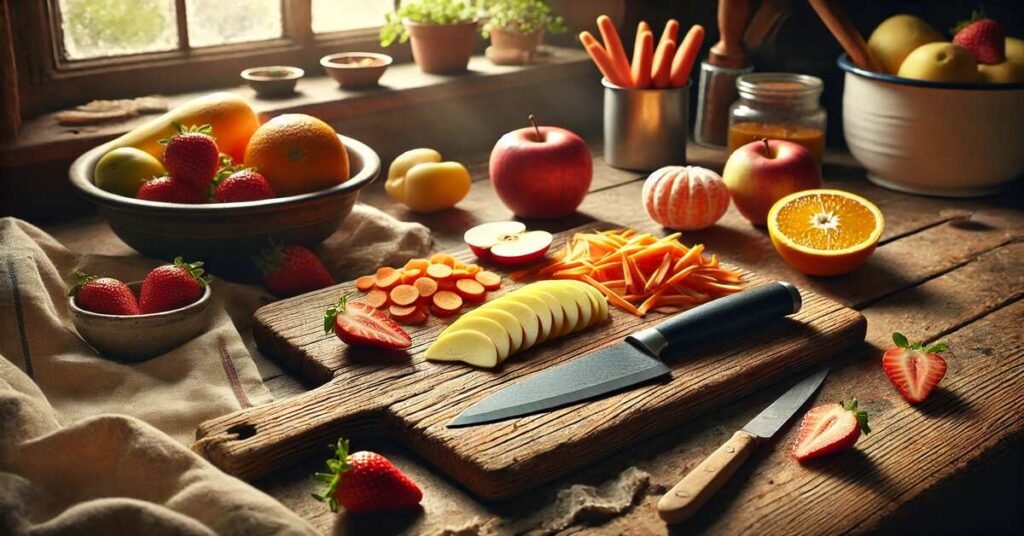
- Chopping vegetables
- Slicing fruits
- Cutting meat or chicken
- Basic food prep
In this case, versatility matters more than specialization.
One well-balanced knife can handle most daily kitchen tasks. That is why many home cooks do better with one good all-purpose knife instead of many special knives.
Cooking Mostly Vegetables
If you cook a lot of vegetables, different things matter more.
Focus on:
- Comfort
- Control
- Clean, smooth cuts
A knife that feels balanced in your hand makes chopping easier. It also helps reduce hand tiredness during long prep time. If your cooking is mostly plant-based, comfort and control matter most. In that case, choosing the best knife for cutting vegetables can make prep faster and easier.
Cooking Meat or Fish Often
If you often prepare meat or fish, your knife should offer:
- Good control
- Sharp edges
- Easy handling
You may need more than one knife later. However, you do not need to buy everything at once. When you cook meat or fish often, sharpness and control become more important. Using the best knife for cutting meat helps you work safely and cleanly.
Bread and Baked Goods
Bread cuts differently than vegetables or meat.
You slice bread with a gentle back-and-forth motion. You do not press straight down. Many people learn this only after crushing a loaf instead of slicing it cleanly.
This does not mean you must buy many knives right away. It simply explains why different knife types exist.
Your kitchen knife should match your cooking habits, not someone else’s advice.
Once you know how you will use the knife, choosing the right type becomes much easier. You also avoid confusion and costly mistakes.
Kitchen Knife Types Explained (Simple Overview)
There are many types of kitchen knives.However, most home cooks only need to know a few basic ones.
You do not need to remember every knife name. You also do not need to collect them all.
This short overview helps you understand what each knife is used for. Once you know this, choosing the right knife becomes much easier.
Chef’s Knife
The chef’s knife is the most versatile kitchen knife.
You can use it for:
- Chopping vegetables
- Slicing fruits
- Dicing food
- General prep work
For many home cooks, a chef’s knife handles most kitchen tasks. That is why it is often the first knife people buy. If you want to see top options, you can explore the best chef’s knife for everyday home cooking.
Santoku Knife
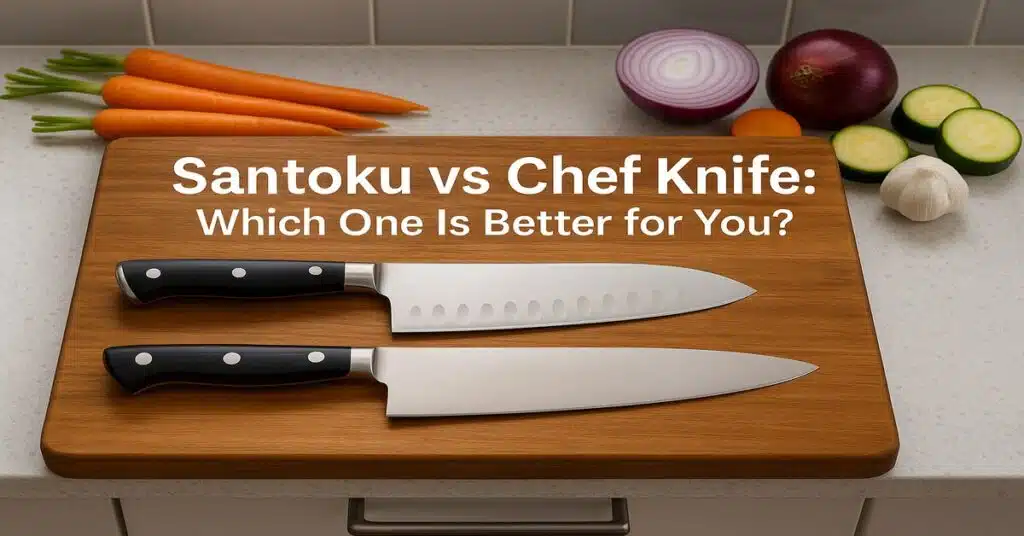
A santoku knife is similar to a chef’s knife, but it feels different.
It is usually:
- Shorter
- Lighter
- Flatter
Because of its shape and lighter feel, some people prefer it over a chef’s knife. If you are unsure which one suits you better, this santoku vs chef knife comparison can help you decide.
Paring Knife
A paring knife is small and easy to handle.
You use it for:
- Peeling fruits and vegetables
- Trimming small items
- Making precise cuts
It is not made for big chopping jobs, but it works very well for detail work. If you want a clearer idea, this guide explains what a paring knife is used for in daily cooking.
Utility Knife
A utility knife sits between a chef’s knife and a paring knife.
It works well for:
- Small slicing tasks
- Foods that feel too large for a paring knife
- Foods that feel too small for a chef’s knife
Many home cooks like it as a secondary knife.
Bread Knife
A bread knife has a serrated edge.
You use it for:
- Bread
- Cakes
- Foods with a hard outside and soft inside
You may not need this knife right away, but it becomes very useful once you bake often. If bread is part of your routine, choosing the best bread knife makes slicing cleaner and easier.
Blade Material and Steel (What Actually Matters)
When you buy a kitchen knife, blade material often feels confusing. Many guides use hard terms and long explanations.
However, most home cooks do not need that level of detail. What matters most is how the blade works in daily cooking.
Knife steel types can sound complex at first, but the basics are easy to understand. If you want a general background, this overview of knife steel explains how different steels behave.
If you want a deeper breakdown, you can also read this complete guide on knife materials and construction to understand how blades are made.
Stainless Steel vs Carbon Steel
Most kitchen knives use either stainless steel or carbon steel. Both can work well, but they behave differently.
Stainless Steel Knives
Stainless steel knives are:
- More resistant to rust
- Easier to care for
- Better for busy home kitchens
If you want a knife you can use every day with little worry, stainless steel is a safe choice.
Most home cooks prefer it for this reason.
Carbon Steel Knives
Carbon steel knives are:
- Very sharp
- Easy to sharpen
- More sensitive to moisture
These knives need more care. If you forget to wipe them dry, they can stain or rust. Because of this, carbon steel is optional, not required, for most home cooks. If you want a clear side-by-side breakdown, you can read our guide on carbon steel vs stainless steel knives.
What About Damascus Steel?
Many people see Damascus steel as a premium feature. It often looks beautiful, but looks are not everything.
In simple terms:
- The pattern is mostly for appearance
- Performance depends on the steel inside, not the design
A Damascus knife can be good. However, it should not be the main reason you choose a knife. If you want to know whether the pattern really matters, read our full guide on damascus steel knives.
Blade Hardness (HRC) Made Simple
You may see numbers like HRC when looking at knives. This number shows how hard the blade is.
Blade hardness is usually measured using the Rockwell scale. You can see how HRC values work in this simple explanation of the Rockwell hardness scale.
Here is the easy version:
- Harder blades stay sharp longer
- Softer blades are easier to care for
For home cooking, balance matters more than extremes. You do not need the hardest blade to cook well.
Quick Summary
The best blade is one that:
- Fits your cooking style
- Matches how much care you want to give
- Feels easy to use every day
Simple choices often work better than complex ones.
Knife Size, Weight, and Balance
A knife should feel comfortable in your hand. Even the best steel will not help if the knife feels awkward to use.
Knife size, weight, and balance affect both comfort and safety. That is why these factors matter so much.
Choosing the Right Blade Length
Most kitchen knives come in two common sizes:
- 6-inch
- 8-inch
Each size works well for different people.
8-Inch Knife
An 8-inch knife gives you:
- More cutting space
- Better reach for larger foods
Many home cooks like this size for daily cooking. It works well if the knife feels comfortable in your hand.
6-Inch Knife
A 6-inch knife offers:
- Better control
- Easier handling for smaller hands
This size feels less intimidating for some people. It can be a good choice if you prefer more control.
There is no single “best” size. The right blade length is the one that feels natural to you. If you are unsure which size suits you better, this 6-inch vs 8-inch knife comparison can help you decide.
Knife Weight and Control
Some knives feel heavy, while others feel light. Both can work, but they feel different in use.
- Heavier knives help with cutting by using their weight
- Lighter knives give you more control and speed
For most home cooks, a medium-weight knife works best. It should feel steady without making your hand tired.
Understanding Knife Balance
Balance shows how the weight spreads between the blade and the handle.
A well-balanced knife:
- Feels natural in your hand
- Reduces strain on your wrist
- Improves control while cutting
You should not feel the blade pulling forward or the handle pulling back. A balanced knife makes cooking safer and more comfortable.
Comfort and balance also affect safety in the kitchen. According to basic kitchen safety guidelines, proper knife handling reduces the risk of accidents.
Key Takeaway
When choosing a knife, always think about:
- How it feels in your hand
- How easy it is to control
- How safe it feels during use
Comfort matters just as much as sharpness.
Handle Types and Comfort (Often Ignored)
Many people focus only on the blade. However, the handle matters just as much. If the handle feels uncomfortable, the knife will never feel right. Even a sharp knife becomes hard to use with a poor grip.
Common Handle Materials
Most kitchen knife handles are made from:
- Wood
- Plastic
- Composite materials
Each type can work well. What matters most is how the handle feels in your hand.
If you want a deeper explanation, you can explore different knife handle types and how they affect grip and comfort.
What Really Matters in a Handle
Instead of the material alone, focus on:
- Grip
- Shape
- Overall comfort
A good handle should feel secure. You should not need to squeeze it tightly to stay in control.
Grip and Hand Size
Hand size plays a big role in comfort.
If you have smaller hands:
- A thick handle can feel awkward
- Control becomes harder
If you have larger hands:
- A very thin handle may feel unstable
- Your grip may feel weak
The best handle fits your hand naturally. It should feel secure without forcing your grip.
Full Tang vs Partial Tang (Quick Note)
A full tang knife means the metal runs through the handle.
For most home cooks:
- Full tang knives feel more stable
- Partial tang knives can still work fine
This detail is helpful to know. However, it should not be a deal breaker.
If you want to understand this in more detail, our guide on full tang vs partial tang knives explains the differences clearly.
Why Handle Comfort Matters So Much
A comfortable handle:
- Feels safer to use
- Reduces hand fatigue
- Helps you cut with better control
A knife may look great on the counter. But if it feels uncomfortable, you will stop using it.
Knife Sets vs Individual Knives
Many buyers ask one common question. Should you buy a knife set or buy knives one by one?
Both options can work. The right choice depends on how you cook and how much control you want.
When a Knife Set Makes Sense
A knife set can be a good choice if:
- You are setting up a new kitchen
- You want matching knives for basic tasks
- You prefer convenience over choice
Most knife sets include:
- A chef’s knife
- A paring knife
- A bread knife
- Extra knives you may not use often
For beginners, this can feel simple and stress-free.
If you prefer the convenience of a complete set, you can explore the best kitchen knife sets for home cooks to see what fits your needs.
When Individual Knives Are a Better Choice
Buying knives one by one works better if:
- You already own some knives
- You care more about quality than quantity
- You want to choose knives based on comfort
Many home cooks use only one or two knives each day. Buying individual knives lets you spend your money where it matters most.
If you are still unsure which option fits you better, a detailed knife sets vs individual knives comparison can help you decide.
The Most Practical Choice for Home Cooks
For most people, the best approach is very simple:
- Start with one good all-purpose knife
- Add other knives only when you truly need them
This helps you avoid overbuying. It also keeps your kitchen clean and clutter-free.
Final Tip for Home Cooks
You do not need every knife at once. Start small and build your collection over time. A few well-chosen knives work better than many unused ones.
Budget Guide: What to Expect at Each Price
Kitchen knives come in many price ranges. However, a higher price does not always mean a better knife for you.
When you know what each price range offers, you can make a smarter choice. You also avoid paying more than you need.
Under $50
In this price range, you can expect:
- Basic but usable knives
- Softer steel that needs more sharpening
- Simple handle designs
These knives can work well for light home cooking. They are a good choice if you are on a tight budget or just starting out.
If you are shopping on a tight budget, you can check out the best kitchen knives under $50 that work well for light home cooking.
$50 to $100
For most home cooks, this range offers the best value.
Here, you usually get:
- Better steel quality
- Improved balance and comfort
- Sharper edges that last longer
Many people notice a clear improvement compared to cheaper knives. This range suits daily cooking very well.
For most home cooks, this range offers the best value. You can explore the best kitchen knives under $100 to find options with better balance and longer-lasting sharpness.
$100 and Above
At this level, knives often include:
- Higher-quality materials
- Better fit and finish
- More refined balance
These knives can feel great to use. Still, you do not need them to cook well. If you enjoy cooking and care about craftsmanship, this range may be worth it.
Setting Realistic Expectations
No matter the price, remember this:
- Every knife needs care
- Every knife needs sharpening over time
- Comfort matters more than marketing
Paying more only makes sense if the knife fits your hand and cooking style.
How Budget Affects Long-Term Value
A well-chosen mid-range knife often:
- Lasts for many years
- Feels good to use every day
- Saves money by avoiding frequent replacements
Buying one good knife once works better than buying many knives you do not use.
Key Takeaway
Choose a knife that matches your needs, not just your budget. The best value comes from comfort, balance, and daily use.
Beginner vs Home Cook vs Professional: What Do You Really Need?
Not every kitchen knife fits every person. One common mistake is choosing a knife that does not match your experience or cooking habits. To make this easier, let’s look at each type of user.
If You Are a Beginner
If you are new to cooking or building your first kitchen, keep things simple.
For beginners:
- Simplicity matters more than extra features
- Comfort matters more than steel type
- Control matters more than blade size
You do not need a special knife. One versatile knife that is easy to care for is enough. Your main goal is confidence, not perfection.
If You Are a Regular Home Cook
If you cook several times a week, your needs change slightly.
At this level:
- Balance and comfort become more important
- Steel quality starts to matter
- Sharpness that lasts longer saves time
You may add another knife if your cooking style needs it. Even then, focus on quality instead of buying many knives.
If You Cook at a Professional Level
Professional cooks use knives very differently.
They often:
- Use knives for long hours each day
- Sharpen and maintain them often
- Choose knives for specific tasks
Most home cooks do not need professional knives. Buying one will not automatically improve your cooking. Choose a knife that fits your real needs, not your goals.
Common Kitchen Knife Buying Mistakes
Many people make the same mistakes when buying a kitchen knife. Often, avoiding these mistakes matters more than finding the “perfect” knife. Let’s look at the most common ones.
Buying Too Many Knives Too Soon
Most kitchens do not need a full knife collection. Extra knives often sit unused and take up space.
Start with what you truly need. You can always add more knives later if your cooking style changes.
Choosing Price Over Comfort
An expensive knife is not always a good knife for you.
If a knife:
- Feels awkward in your hand
- Strains your wrist
- Slips while cutting
Then it is not the right choice, no matter the price.
Ignoring Maintenance Needs
Every knife needs care. However, some knives need more attention than others.
Some knives:
- Need frequent sharpening
- Must be dried right after use
If you want low effort, choose a knife that fits your daily routine. Many people ignore how much care a knife needs before buying. If you want to avoid this mistake, it helps to understand proper knife sharpening and maintenance for long-term use.
Falling for Marketing Hype
Fancy names and designs do not always mean better performance.
A good kitchen knife should:
- Feel comfortable
- Cut cleanly
- Stay easy to control
Everything else comes second.
How Long Should a Good Kitchen Knife Last?
A good kitchen knife is not a disposable tool. With proper care, it can last for many years. In some cases, a well-made knife can last a lifetime. Longevity depends more on care than on price.
What Affects Knife Lifespan
How long your knife lasts depends on a few simple things:
- How often you use it
- How you store it
- How well you maintain the edge
Regular sharpening and basic care matter more than the brand name.
Why Maintenance Matters When Buying a Knife
Before buying a knife, think about maintenance.
Ask yourself:
- How much care are you willing to give?
- Will you sharpen the knife yourself or use a service?
A knife that fits your routine will always work better over time.
Quick Checklist Before You Buy a Kitchen Knife
Before you spend your money, pause for a moment. This short checklist helps you choose with confidence.
Go through each point slowly.
- Purpose: What will you use the knife for most of the time?
- Type: Does the knife match that purpose?
- Size: Does the blade length feel safe and comfortable?
- Weight and Balance: Does the knife feel steady in your hand?
- Handle: Does the grip fit your hand size well?
- Material: Are you okay with the care it needs?
- Budget: Does the price match what you really need?
If a knife checks most of these boxes, it is a smart choice. You do not need perfection. You need the right fit for you.
Kitchen Knife Buying FAQs
What knife should I buy for home cooking?
For most home cooks, one good all-purpose knife is enough. A chef’s knife or a santoku knife works well for daily tasks like chopping, slicing, and prep. You can always add more knives later if your cooking style changes.
What knives do you really need at home?
Most homes only need one or two knives to cook comfortably. A single all-purpose knife can handle most tasks. Extra knives are helpful, but they are not required for everyday cooking.
What is the best knife for a beginner cook?
The best knife for a beginner is one that feels comfortable and easy to control. Stainless steel knives are a good choice because they need less care. Avoid very heavy or oversized knives when starting out.
Is a kitchen knife set worth buying?
A knife set can make sense if you are setting up a new kitchen. However, many sets include knives you may never use. Buying one good knife first is often the smarter and more flexible option.
What are the top 3 knives every home cook should own?
Most home cooks do well with:
- One chef’s knife or santoku knife
- One paring knife
- One bread knife (optional)
You do not need to buy all of them at the same time.
Are cheap kitchen knives good enough?
Cheap knives can work for light home cooking. However, they often need sharpening more often and may feel less comfortable. A mid-range knife usually gives better value over time.
What is the best kitchen knife material for home cooks?
Stainless steel is the best choice for most home cooks. It resists rust, needs less maintenance, and works well for daily use. Carbon steel is optional and needs more care.
How long should a good kitchen knife last?
With proper care, a good kitchen knife can last many years. Some knives can even last a lifetime. Regular sharpening and safe storage matter more than price.
When should you replace a kitchen knife?
You may need to replace a knife if:
- It no longer holds an edge
- The handle feels loose or unsafe
- The blade is damaged or bent
A dull knife often just needs sharpening, not replacement.
Do expensive knives make you a better cook?
No, expensive knives do not automatically improve cooking skills. Comfort, control, and practice matter much more than price. Choose a knife that fits your hand and cooking habits.
Final Thoughts: How to Choose With Confidence
Choosing a kitchen knife does not need to feel hard or stressful.
You do not need:
- The most expensive knife
- A full knife set
- Professional-level features
What you really need is simple.
You need a knife that:
- Matches how you cook
- Feels comfortable in your hand
- Fits the amount of care you want to give
When a knife feels right, cooking becomes easier and more enjoyable. When it does not, even a good-looking knife often stays unused.
The goal is not to own many knives. The goal is to own the right knife for your kitchen.
Now you understand what to look for and what to ignore. That means you can choose your next kitchen knife with confidence.
What to Do Next
Now that you understand how to choose a kitchen knife, you have two clear paths:
- If you want to compare real options, explore guides that break down knives by use and budget.
- If you want a deeper explanation of specific knife types, materials, or care, you can explore those topics next.
Use this guide as your foundation. Every other knife-related decision will make more sense from here.