The right kitchen knife can change the way you cook every day. A good knife makes chopping faster, slicing smoother, and meal prep safer and more fun.
But with so many sizes, steels, shapes, and brands, it is easy to feel confused. Should you buy a full knife block, a German chef’s knife, a Japanese Santoku, or just one good starter knife?
This guide gives you a clear, simple path. It is based on real testing of more than 40 kitchen knives and is written for US home cooks, not pro chefs in restaurant kitchens.
In this buyer’s guide, you will learn how to:
- Pick the three essential knives most US kitchens actually need
- Choose the right knife for your cooking style and hand size
- Understand knife types, blade materials, and steel choices
- Decide between German vs Japanese knives
- Match knife brands and prices to your budget
- Take care of your knife so it stays sharp and safe for years
In short: you do not need a big set or ten blades. With the right knowledge, you can choose one or two great knives that fit your hand, your food, and your budget— and enjoy cooking much more every single day.
Before you look at brands or steel types, you first need to know which knives you truly need for everyday cooking.
What Type of Kitchen Knife Do You Actually Need?
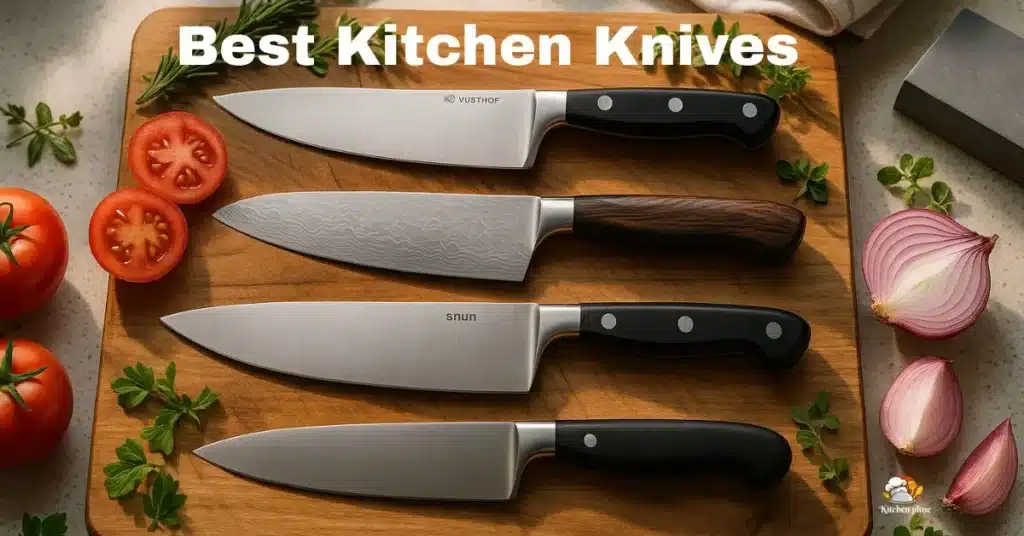
Most people in the United States need only three simple knives for daily cooking. See the complete breakdown in our Best Kitchen Knives 2025 guide. These are: (1) an 8-inch Chef’s Knife, (2) a Paring Knife, and (3) a Bread Knife. These three knives can do almost all of your daily cutting, such as chopping vegetables, slicing meat, peeling fruit, and cutting bread or soft foods.

Start With Your Cooking Style
The knife you choose should match the way you cook.
Here is a simple guide:
- You cook many vegetables → Use a Chef’s Knife or a Santoku. Add a Nakiri if you prep a lot of greens.
- You cook chicken or meat → Use a Chef’s Knife with a Boning Knife.
- You cook a mix of foods → Use a Chef Knife, Paring Knife, and Bread Knife.
- You have small hands → Use a 6-inch Chef Knife with a Utility Knife.
- You bake often → Use a Bread Knife with a Chef Knife.
If you are a beginner: Buy one 8-inch Chef’s Knife and one Paring Knife.This small set works well for almost every US home.
The 3 Essential Kitchen Knives (Used in 95% of US Kitchens)
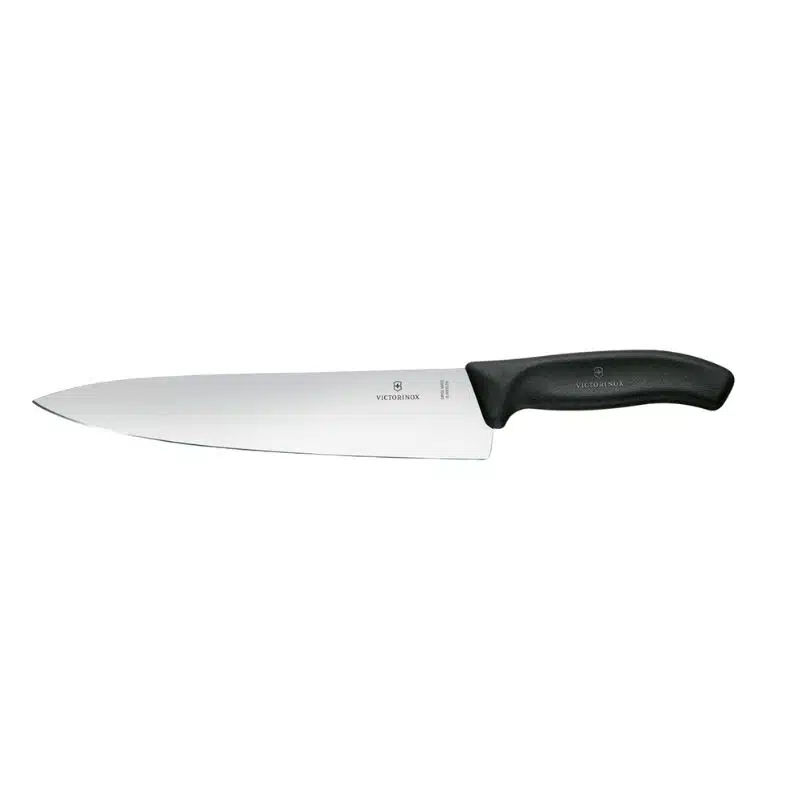
1. Chef’s Knife (8-inch)
This knife does most of your cutting. You can use it to slice, chop, mince, and cut both meat and vegetables. It is the main knife in most American homes.
Recommended Picks
Best Mid-Range: View on Amazon Zwilling Pro 8
Best Premium: Check Price on Amazon Wüsthof Classic 8
2. Paring Knife
This knife is small and easy to control. Use it to peel, trim, core, or make tiny cuts. It is best for fruit and small items. Explore more paring knife uses: what is a paring knife used for.

3. Bread Knife (Serrated)
This long, tooth-like knife cuts bread, cakes, soft rolls, melons, and tomatoes. It slices cleanly without crushing food.

Optional Knives (Choose Based on What You Cook)
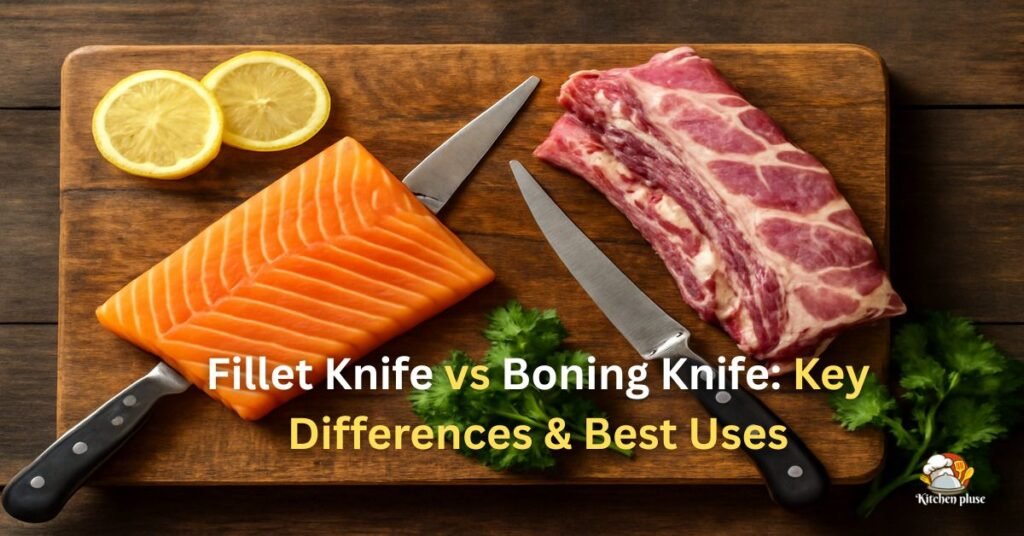
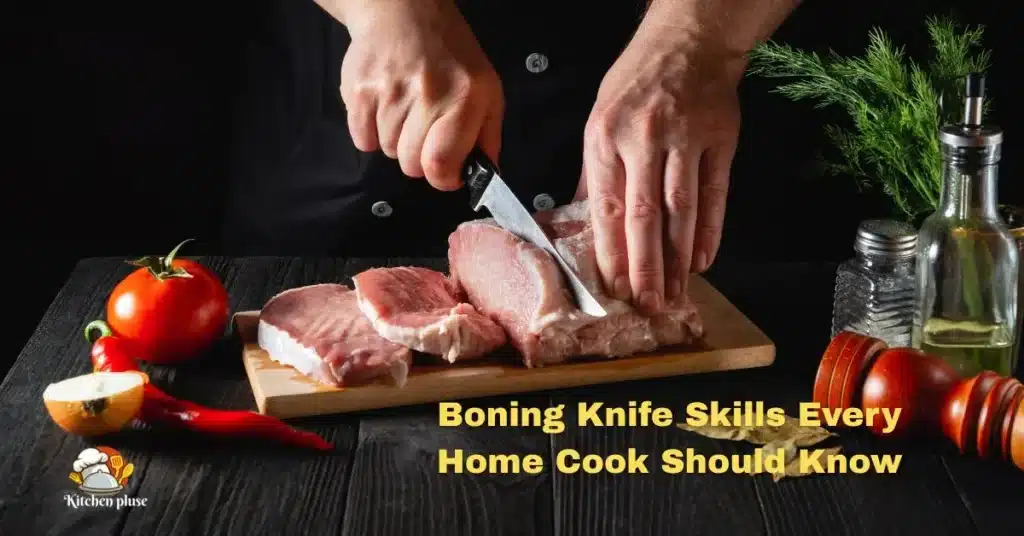
Boning Knife
Helps you trim fat or remove bones from chicken and meat.
Santoku Knife
A Japanese-style knife. Great for thin slices, fast chopping, and vegetable prep.
Nakiri Knife
A straight vegetable knife. It makes clean, smooth cuts and works well for large veggie prep.
Utility Knife
A mid-size knife.Good for sandwiches, cheese, and foods that are too small for a chef’s knife.
Cleaver
A heavy knife. Good for ribs, bones, and big vegetables.
1-Minute Knife Selection Cheat Sheet
| Cooking Style | Best Knife Setup | Why |
| General US home cooking | Chef + Paring + Bread | Covers most tasks |
| Vegetable-heavy | Santoku or Nakiri + Paring | Makes thin cuts easy |
| Meat-heavy | Chef + Boning Knife | Good for trimming and slicing |
| Small hands | 6-inch Chef + Utility | Easier to control |
| Baking household | Bread Knife + Chef Knife | Needed for soft bread |
| Beginner minimalist | Chef (8-inch) + Paring | Simple and effective |
Now that you know the three essential knives, let’s go deeper and see what each knife actually does and when you should use it.
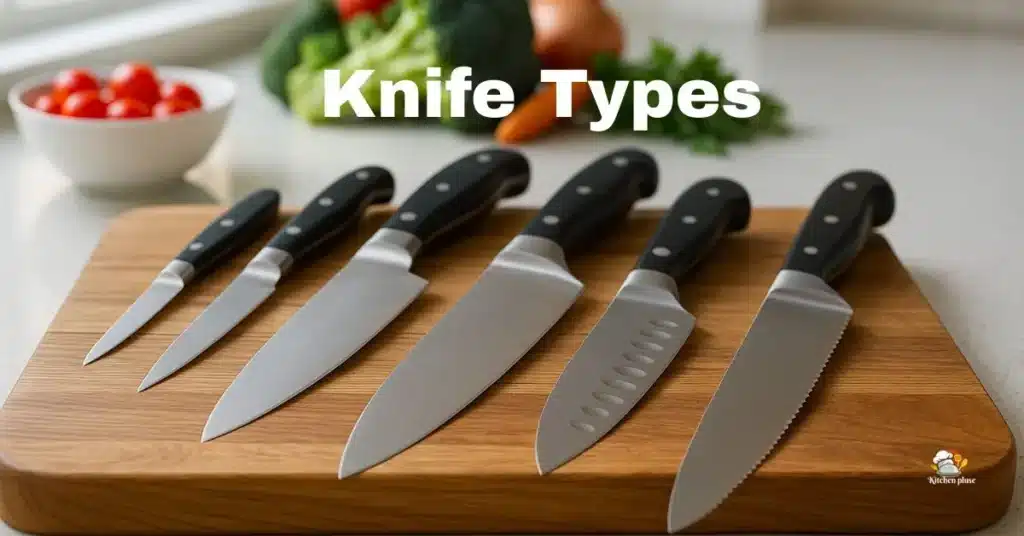
Knife Types & Their Uses (Beginner-Friendly Guide)
Each kitchen knife has a simple job. This guide shows what every knife does and when you should use it. For a full breakdown, see our complete guide on knife types and uses.
Chef’s Knife — Best for Most Cutting Tasks
A Chef’s Knife is the main knife for daily cooking. You can use it to slice, chop, mince, dice, and cut most foods. It works well for vegetables, meat, herbs, and everyday meal prep in US homes.
Santoku Knife — Best for Fast Vegetable Work
A Santoku is a Japanese knife made for fast and thin cuts. It works well for vegetables, fish, and small pieces of meat. Choose it when you want smooth and clean slices.
Paring Knife — Best for Small, Detailed Tasks
A Paring Knife is small and easy to control. Use it to peel, trim, and core small fruits or vegetables. It is perfect for apples, garlic, berries, and tiny cuts.
Utility Knife — Best for Medium Foods
A Utility Knife sits between a Chef Knife and a Paring Knife. Use it for sandwiches, cheese, or medium-sized fruits. It helps when a Chef Knife feels too big for the job.
Bread Knife — Best for Soft or Baked Foods
A Bread Knife has a long, sharp, serrated edge. It slices bread, cakes, pastries, melons, and tomatoes without crushing them. Use it for soft foods and baked goods.
Boning Knife — Best for Meat and Chicken
A Boning Knife has a thin and flexible blade. It helps you remove bones, trim fat, and clean chicken. It is great for US-style cooking like chicken breast, ribs, and pork.
Nakiri Knife — Best for Heavy Vegetable Chopping
A Nakiri is a straight Japanese vegetable knife. It makes clean push cuts and works well for large veggie prep. Use it for salads, meal prep, or plant-based cooking.
Usuba Knife — Best for Thin Vegetable Slices
An Usuba is a traditional Japanese knife. It makes very thin, smooth slices on vegetables. Choose it only if you need fine cutting control.
Slicing Knife — Best for Cooked Meat
A Slicing Knife has a long and narrow blade. It makes clean slices of turkey, roast beef, brisket, and cooked meats. It is great for BBQ and holiday meals.
Carving Knife — Best for Whole Turkey or Chicken
A Carving Knife makes long and smooth cuts. Use it to carve turkey, chicken, or large roasts. It gives neat slices without tearing the meat.
Which Knife Should You Use? (Easy Guide)
- Daily cooking → Chef’s Knife
- Vegetables → Santoku or Nakiri
- Meat or chicken → Boning Knife + Chef’s Knife
- Soft bread → Bread Knife
- Cooked meat → Slicing Knife
- Whole turkey → Carving Knife
- Small tasks → Paring Knife
- Small hands → Utility Knife
Choose your knife based on the food you cook most.
Once you understand knife types, the next big factor is the blade material. Steel quality decides how sharp your knife stays and how long it lasts.
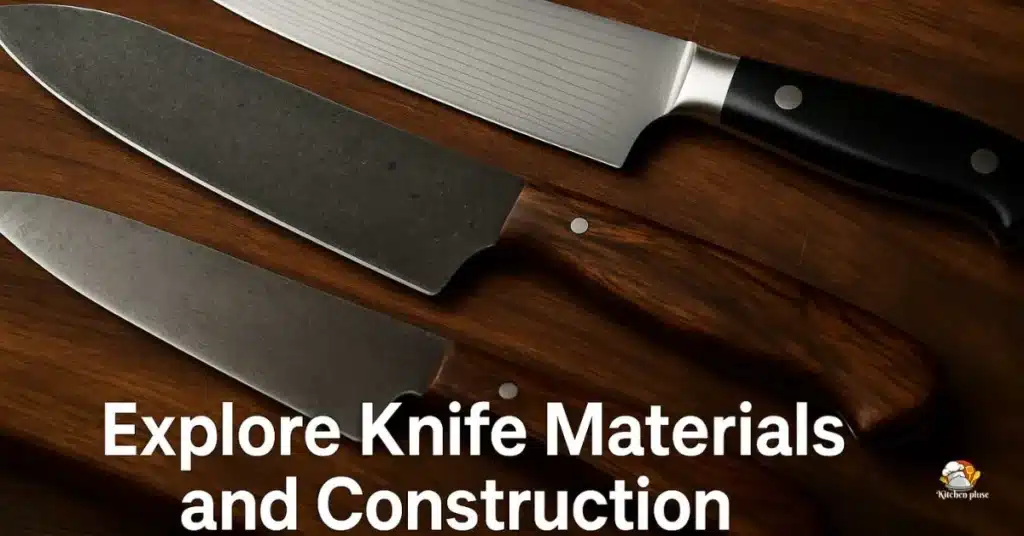
Blade Material Matters — Choose Based on Durability & Sharpness
Your knife cuts better when the blade material is strong and sharp. Each steel type gives you different levels of sharpness, durability, and care needs.See the full guide on knife materials for deeper details.
Stainless Steel — Best for Most US Home Cooks
Stainless steel is strong, easy to clean, and does not rust fast. It is used by brands like Wüsthof, Zwilling, and Mercer.
For more scientific details on how stainless steel resists corrosion, you can read the International Stainless Steel Forum’s official guide on stainless steel corrosion resistance.
Why it is a top pick:
- Rust-resistant
- Low maintenance
- Stays strong for a long time
Best for: Daily cooking and beginners.
High Carbon Steel — Sharp and Powerful
High carbon blades stay very sharp and cut food with little effort.But they can rust if you do not dry them well.
Key points:
- Very sharp
- Holds the edge longer
- Needs more cleaning
- Must avoid moisture
Best for: People who want top sharpness and do not mind extra care.
German Steel vs Japanese Steel
German Steel (Strong and Tough)
- Softer steel (HRC 56–58)
- Thick and durable
- Good for meat, chicken, and heavy tasks
Japanese Steel (Sharp and Precise)
- Harder steel (HRC 60+)
- Thin, light blade
- Great for vegetables and clean slices
Quick rule: Choose German for power and Japanese for precision.
VG10 / AUS10 / SG2 — Which Is Better?
VG10 Steel
- Very sharp
- Good rust control
- Great for daily use
AUS10 Steel
- Softer than VG10
- Easy to sharpen
- Still strong and sharp
If you want to see the detailed steel composition charts, check the ZKnives steel database.
SG2 (Powder Steel)
- Super sharp
- Holds edge the longest
- High-end quality
Best all-round choice: VG10 steel
Damascus Steel — Beautiful and Strong
Damascus blades have wave-like patterns. Most have a VG10 core for sharp cutting and extra strength.
Why people like it:
- Looks premium
- Smooth cutting
- Strong layered build
Powder Steel (SG2, R2) — For High-End Buyers
Powder steel gives you the best mix of sharpness and durability.These knives stay sharp much longer than normal steel.
Key points:
- Very hard
- Very sharp
- Higher price
Best for: Experienced home cooks and professionals. For deeper metallurgy analysis on powder steels like SG2, you can see KnifeSteelNerds’ research articles.
What Most US Buyers Prefer
Most American home cooks choose:
- German stainless steel → for easy care and strength
- Japanese steel (VG10 or SG2) → for sharp and clean cuts
Pick the steel based on how you cook and how much care you want to give.
Even the best steel won’t help if the knife size doesn’t fit your hand. Choosing the right length is key for comfort and control.
How to Choose the Right Knife Size
Choosing the right knife size depends on your hand size, cutting style, and the food you prep daily. Here is a simple guide to help you pick the best length.
8-Inch Chef’s Knife — The Best Size for Most People
The 8-inch Chef Knife is the most common size in US kitchens. It gives you strong cutting power and good control at the same time. Use it for vegetables, meat, herbs, and daily meal prep.
Why it is the standard:
- Balanced and easy to handle
- Long enough for most foods
- Works for beginners and home cooks
6-Inch Knife — Best for Small Hands
A 6-inch knife is short, light, and easy to control. It feels comfortable if your hands are small or if you like lighter tools.
Why people choose it:
- Great control
- Low weight
- Easy to use for simple tasks
Best for: Teens, older adults, or anyone who wants a smaller knife.
10-Inch Knife — Best for Large Boards and Big Prep
A 10-inch knife gives long, clean cuts. It works best when you have a big cutting board and lots of food to prep.
Why it is for pros:
- Long blade for big items
- Strong cutting power
- Needs more control and skill
Best for: Large vegetables, big cuts of meat, and advanced home cooks.
Large Knife vs Small Knife
A large knife gives more power and longer slices. A small knife gives more control and less strain.
Choose a large knife if:
- You cut big vegetables
- You prep large meat pieces
- You use a big cutting board
Choose a small knife if:
- You have small hands
- You want light tools
- You cut small foods
Which Knife Size Should You Pick? (Easy Guide)
- Most people → 8-inch Chef Knife
- Small hands → 6-inch Chef Knife
- Heavy prep → 10-inch Chef Knife
- Not sure → Start with 8-inch, then add others if needed
The 8-inch size fits almost every US home cook.
Blade size is important, but the handle decides how safe and comfortable the knife feels in your hand.
Knife Handle Comfort & Ergonomics (Easy Guide for Home Cooks)
A knife only works well when it feels safe and comfortable in your hand.The right handle gives you better control and helps you cut faster with less effort.
Best Handle Materials
Some handle materials feel better and last longer than others.
G10
Strong, light, and very grippy. Great for wet or busy kitchens.
Micarta
Strong and premium.Feels smooth but still offers good control.
Pakkawood
Beautiful wood with water-resistant treatment. Feels warm and comfortable in the hand.
Rubber Grip
Soft and non-slip. Best when your hands get wet often.
Grip Shape: Western vs Japanese
Western Grip
- Thicker handle
- Feels firm and strong
- Good for large hands
- Helps with heavy cutting
Japanese Grip
- Slim and light
- Easy to move fast
- Great for small hands
- Best for detailed work
Choose the grip that fits your hand and cooking style. For safe handling and storage practices, see our guide on knife safety tips.
How to Test Handle Comfort
You can test a knife in a few simple steps:
- Hold it for 10–15 seconds. Does it feel natural?
- Wrap your hand around the handle. Is it easy to grip?
- Try a few cutting motions. Do your fingers feel safe?
- Check the bolster. Does your finger rest naturally on it?
A comfortable handle makes cutting easy and safe.
Slippery vs Non-slip Handles
A good knife should not slip when your hands are wet. Rubber, Micarta, and G10 offer a firm grip. Full-metal or smooth stainless handles can slip, so avoid them.
Balance Test (Simple Expert Method)
Place your pointer finger under the bolster and lift the knife gently.
- If the knife stays level → Good balance
- If the blade drops forward → Too blade-heavy
- If the handle drops → Back-heavy
A balanced knife feels steady and easy to control.
Final Tip: Pick the Handle That Fits Your Hand
If the handle feels good, the knife will feel good. Comfort leads to safer, faster, and smoother cutting.
After handle comfort, the next thing that affects strength and balance is how the blade is built into the handle — the tang.
Full Tang vs Partial Tang — Which One Is Better?
A full tang knife is better for most people because it is stronger, safer, and more balanced than a partial tang.
Your knife’s strength and balance depend on how the blade connects to the handle. Here is a simple guide to help you choose the right tang.
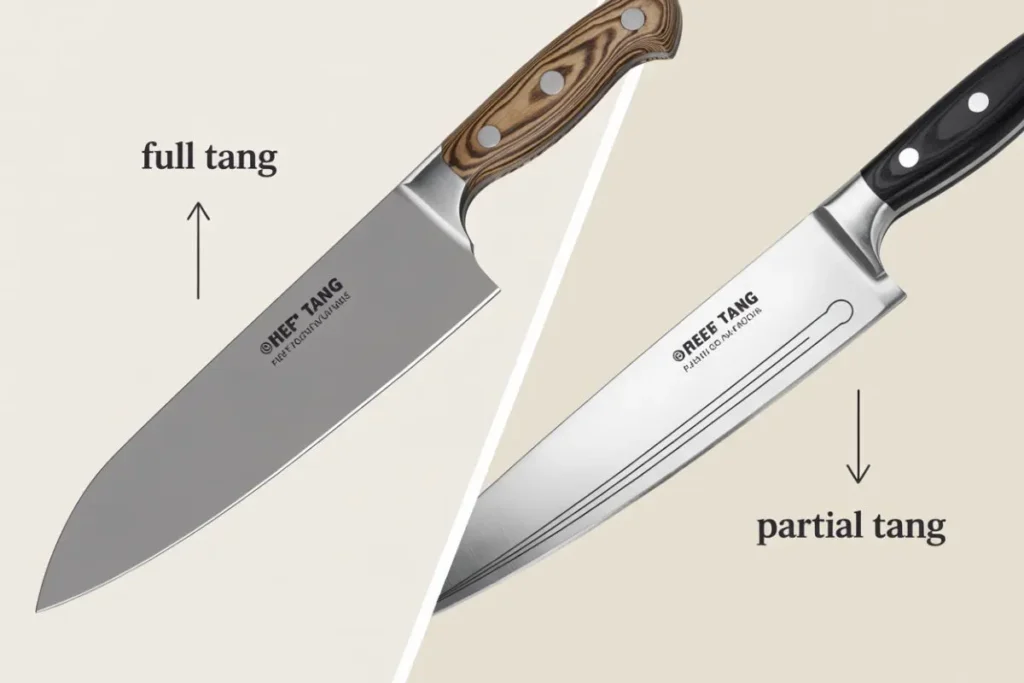
Full Tang — Strong, Safe, and Long-Lasting
A full tang knife has a blade that runs through the whole handle. This makes the knife stronger and more stable.
Why full tang is better:
- Strong and durable
- Good balance
- Safe to use
- Great control
Common in: German knives and many high-quality chef knives.
Best for: Home cooks who want a long-lasting knife.
Partial Tang — Light and Budget-Friendly
A partial tang knife has a blade that goes partway into the handle. It is lighter but not as strong as a full tang knife.
Key points:
- Light and easy to use
- Good for small knives
- Not ideal for heavy cutting
- Handle may loosen over time
Best for: Paring knives and low-cost sets.
Best Use-Case for Both
Choose full tang when you:
- Cut meat or hard foods
- Chop often
- Want a safe, strong knife
- Prefer solid balance
Choose partial tang when you:
- Use small knives
- Like light tools
- Work on simple tasks
- Have a low budget
How to Identify Tang Quality
You can check tang quality in a few seconds:
- Full tang → metal shows on both sides of the handle
- Partial tang → metal mostly hidden
- Balance test → knife stays level
- Shake test → handle does not move
Final Tip:For most US home cooks, a full tang chef knife is the best and safest choice.
Recommended Full Tang Knife: View Price on Amazon Full Tang 8-inch
Once you know the knife’s construction, it’s time to choose the style. Most US home cooks compare Japanese vs Western knives.
Japanese vs Western Knives — Which Style Fits You?
Japanese knives focus on sharpness and precision, while Western knives focus on strength and everyday use. Here is an easy guide to help you choose the style that fits your cooking.
Blade Angle Difference
Japanese knives use a sharper angle (12°–15°). This gives thin, clean slices.
Western knives use a wider angle (18°–22°). This makes the blade stronger for heavy tasks.
Steel Hardness Comparison (HRC Scale)
Japanese knives use hard steel (HRC 60+). This keeps the edge sharp for a long time.
Western knives use softer steel (HRC 56–58). This makes the blade tough and less likely to chip.
Cutting Style Differences
Japanese Style Cutting
- Light, fast movements
- Great for vegetables and thin slices
- Works best on clean, smooth boards
Western Style Cutting
- Strong rocking motion
- Great for meat, thick foods, and heavy prep
- Works well in busy home kitchens
Single Bevel vs Double Bevel
Many Japanese knives use a single bevel edge. This makes them very sharp but harder to master.
Western knives use a double bevel edge. This makes them easy to control and suitable for beginners.
When to Choose Japanese Knives
Choose Japanese knives if you:
- Want very thin slices
- Cook vegetables often
- Like light, sharp blades
- Enjoy Japanese or Asian-style cooking
- Want precision more than power
When to Choose Western Knives
Choose Western knives if you:
- Do heavy meal prep
- Cut meat or hard foods
- Want strong and durable blades
- Prefer easy maintenance
- Want knives that last for years
Recommended Japanese & Western Knives
(These help you choose based on your cooking style.)
🇯🇵 Best Japanese Knife (Sharp + Precise Cuts)
🇩🇪 Best Western Knife (Strong + Everyday Use)
Check Price on Amazon Wüsthof Classic 8
Final Recommendation
Most US home cooks choose Western knives because they are strong, simple to care for, and great for daily cooking. Choose Japanese knives if you want extreme sharpness and do many precise cuts.
At this point, you may wonder: what truly makes one knife better than another? This checklist brings all key factors together.
What Makes a Good Kitchen Knife?
A good kitchen knife should stay sharp, feel balanced, resist rust, and fit well in your hand. This simple checklist will help you choose the right one.
Sharpness & Edge Retention
A good knife cuts food with little effort. It should stay sharp for weeks, not days. Harder steel helps the edge last longer.
Balance & Weight
A well-balanced knife feels steady and safe. It should not tip forward or pull back. Good balance makes cutting smooth and easy.
Blade Geometry
Thin blades give clean, light slices. Thick blades give more power for tough foods. Pick the blade shape that matches your cooking style.
Rust Resistance
A good knife should not rust quickly. Stainless steel offers strong rust protection. High carbon steel stays sharper but needs fast drying.
Handle Comfort
A good handle should feel natural in your hand. It should not slip, even when wet. Your fingers should rest safely near the bolster.
Maintenance Requirement
Stainless steel needs little care. High carbon steel needs quick drying and light oiling. Hard Japanese steel stays sharp but can chip if misused.
Build Quality & Construction
Full tang knives feel strong and stable. A tight handle with no gaps shows good build quality. Smooth joints improve comfort and safety.
Warranty & Brand Trust
Good brands offer long-term support. Many include a lifetime warranty for defects. Trusted brands give better value and peace of mind.
Final Tip
A high-quality knife should cut well, feel balanced, and stay sharp without much effort. Choose the one that fits your cooking needs and hand comfort.
Even with the right knowledge, many people still make simple mistakes when buying knives. Avoid these to save money and frustration.
Common Mistakes When Choosing a Knife (Avoid These!)
Many people buy the wrong knife because they focus on looks or price instead of performance. Here are the most common mistakes you should avoid.
Buying a Knife That’s Too Big
A large knife can feel heavy and hard to control. Most people only need an 8-inch chef knife for daily cooking. Choose a size that fits your hand.
Choosing the Wrong Steel
Cheap steel gets dull fast and bends easily. Good knives use German steel or Japanese steel. Better steel gives longer edge life and smoother cuts.
Ignoring Handle Shape and Comfort
A knife is only safe when the handle feels good in your hand. If it slips or feels awkward, you will not enjoy using it. Choose a handle that feels natural and steady.
Overpaying for Low-Quality Brands
Some brands look fancy but use weak steel. High price does not always mean high quality.
Check build quality, tang, warranty, and real customer reviews.
Mistaking Design for Performance
Cool patterns or flashy colors do not make a knife better. A good knife focuses on balance, steel, and comfort, not looks. Choose performance over design.
Believing “Dishwasher Safe” Claims
No kitchen knife is truly dishwasher safe. The heat and water can damage the edge and loosen the handle. One dishwasher cycle can ruin a knife.
Final Tip
Choose a knife based on comfort, steel quality, and balance—not the design or price.
A good knife should feel right in your hand and cut smoothly with little effort.
Once you know what to look for, the next step is choosing a trusted brand that fits your needs and budget.
Best Kitchen Knife Brands (Beginner → Pro)
Choosing the right knife brand depends on your budget, cooking style, and the steel you prefer. Here are the most trusted brands in the United States — along with their best Amazon picks.
Best Budget Brands (Under $60)
Victorinox
- Swiss brand
- Light, sharp, and easy to use
- Great for beginners and everyday prep
Best Pick: View Price on Amazon Victorinox Fibrox Pro 8
Mercer Culinary
- Very popular in US cooking schools
- Strong build and low cost
- Great for students and home cooks
People who want good performance at a low price.
Top Pick: Check Price on Amazon Mercer Culinary Millennia 8
Best Mid-Range Brands ($80–$150)
Zwilling J.A. Henckels
- Famous German brand
- Strong German steel
- Great balance and durability
Best Pick: View on Amazon Zwilling Pro 8
Dalstrong
- Modern US brand
- Mix of German and Japanese designs
- Sharp, stylish, and affordable
Home cooks who want higher quality without premium prices.
Top Pick: See Price on Amazon Dalstrong Shogun Series X 8
Best Premium Brands ($150–$300+)
Wüsthof Classic
- German-made
- Excellent build quality
- Thick, durable blades for daily meal prep
Best Pick: Check Price on Amazon Wüsthof Classic 8
Shun Classic
- Japanese-made
- VG10 steel for razor-sharp edges
- Thin blades for smooth slicing
Best Pick: View Price on Amazon Shun Classic 8
Miyabi Artisan
- High-end Japanese brand
- SG2 powder steel
- Beautiful design and extreme sharpness
Best for: Experienced cooks who want long-lasting, high-performance knives.
Which Brand Should You Choose?
Choose Victorinox or Mercer if you want low cost and easy use. Choose Zwilling or Dalstrong if you want great performance at a fair price.Choose Wüsthof, Shun, or Miyabi if you want top steel, long life, and premium quality.
Quick rule:
- German brands → power and durability
- Japanese brands → sharp and precise
Pick the brand that matches your cooking style and budget.
Want more brand breakdowns? Explore our full knife brand reviews here.
Brand matters, but price matters too. This budget guide helps you find the best knife in your price range.
The Perfect Knife for Your Budget (Price Guide)
The best knife for you depends on your budget, cooking needs, and how often you cook. Here is a clear price guide to help you choose the right knife.
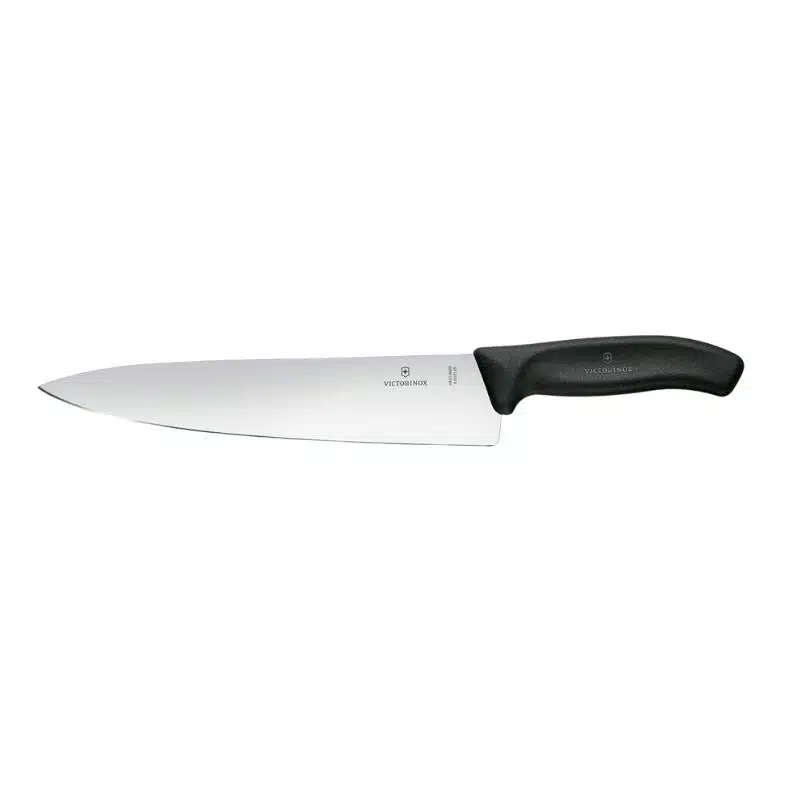
Under $50 — Best for Beginners
This price range is great for first-time buyers and simple daily tasks.
Top picks:
- Victorinox
- Mercer Culinary
Why choose this range:
- Low cost
- Good quality for beginners
- Easy to use and maintain
$50–$100 — Most Popular in the US
This is the sweet spot for value and performance. Many US home cooks choose knives in this range.
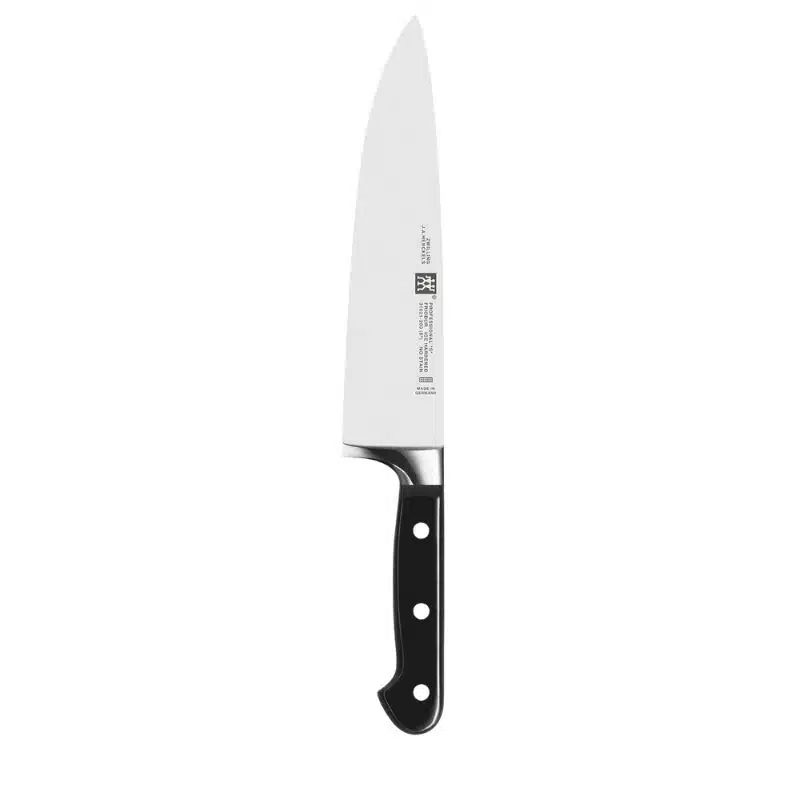
Why choose this range:
- Strong build quality
- Better steel
- Long-lasting sharpness
- Good warranty options
Best for: People who cook often and want good performance at a fair price.
$150–$300 — Premium Quality
This range includes top German and Japanese knives. They offer better balance, top steel, and strong durability.

Why choose this range:
- Premium materials
- Long edge life
- Strong build and comfort
Best for: Home cooks who want high performance without going luxury.
Which Price Range Is Best for You?
- Under $50 → Try your first real kitchen knife
- $50–$100 → Best for most US home cooks
- $150–$300 → Premium feel and strong performance
Choose the range that fits your cooking style, budget, and how often you cook.
Now let’s combine everything — types, steel, size, brand, and budget — into a fast, simple 60-second decision guide.
Final Knife Decision Framework (Choose in 60 Seconds)
You can pick the right kitchen knife fast when you follow a few simple steps. This quick guide helps you choose by cooking style, hand size, steel type, and budget.
1. What Do You Cook Most? (Cooking Style Guide)
Your food choice decides your knife type.
- Vegetables → Santoku or Nakiri
- Meat & chicken → Chef Knife or Boning Knife
- Bread & soft foods → Serrated Knife
- Mixed home cooking → 8-inch Chef Knife
2. What Size Do You Need? (Size Shortcut)
Choose a size that feels easy in your hand.
- Small hands → 6-inch Chef Knife
- Most people → 8-inch Chef Knife
- Large prep → 10-inch Knife
3. What Steel Should You Choose? (Steel Shortcut)
Steel type affects sharpness and maintenance.
- Low maintenance → German steel
- More sharpness → Japanese steel
- Highest edge life → SG2 or powder steel
4. What’s Your Budget? (Brand Shortcut)
Pick a knife that fits your price range.
- Under $100 → Victorinox, Zwilling
- $150–$250 → Wüsthof, Shun
- $300+ → Miyabi, high-end Japanese brands
5. Best Knife Setup for US Kitchens
Most American home cooks only need:
- 8-inch Chef Knife (main knife)
- Paring Knife (small tasks)
- Serrated Knife (bread and soft foods)
This setup works for 95% of daily meal prep.
Quick Rule (60-Second Decision)
- Veggies → Santoku
- Meat → Chef or Boning
- Bread → Serrated
- Small hands → 6-inch
- Most hands → 8-inch
- Low care → German
- Extreme sharpness → Japanese
- Budget → Victorinox
- Value → Zwilling
- Premium → Shun or Miyabi
Choose the knife that fits your cooking style and hand comfort.
Choosing the right knife is only step one. To keep it sharp and safe, you need simple maintenance habits.
After You Choose a Knife — Maintenance & Care Tips
A good knife lasts longer when you clean it well, sharpen it often, and store it safely. Follow these simple steps to keep your knife in great shape.
How Often to Sharpen
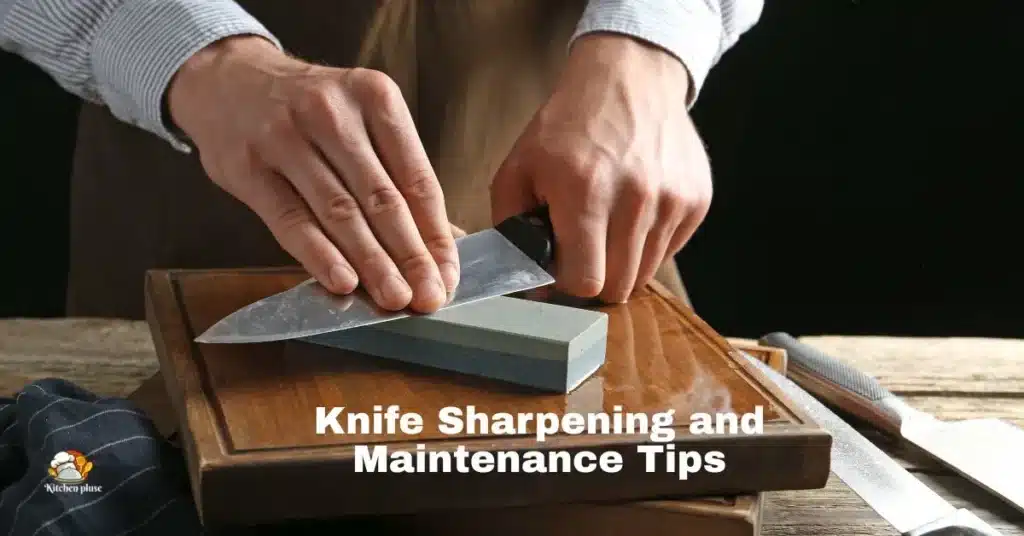
Sharpen your knife every 2–4 weeks depending on how often you cook. Use a whetstone for the best edge or an electric sharpener for quick results. Use a honing rod before cooking to keep the edge straight. For full instructions, see our complete knife sharpening guide.
You can also check America’s Test Kitchen’s sharpening guide for practical step-by-step instructions.
Which Sharpener Is Best?
- Whetstone: best for sharp edges
- Electric sharpener: fast and easy
- Honing rod: keeps the edge aligned
- Professional service: good once or twice a year
How to Clean & Store Knives
Clean your knife right after use with warm water and mild soap. Dry it fully to prevent rust and stains.
For more expert-backed safe food handling practices, you can also check the Johns Hopkins Medicine food safety guidelines:
Best storage options:
- Knife block
- Magnetic strip
- Drawer tray with slots
- Blade guard for travel or small kitchens
Good storage keeps the edge safe and prevents damage.
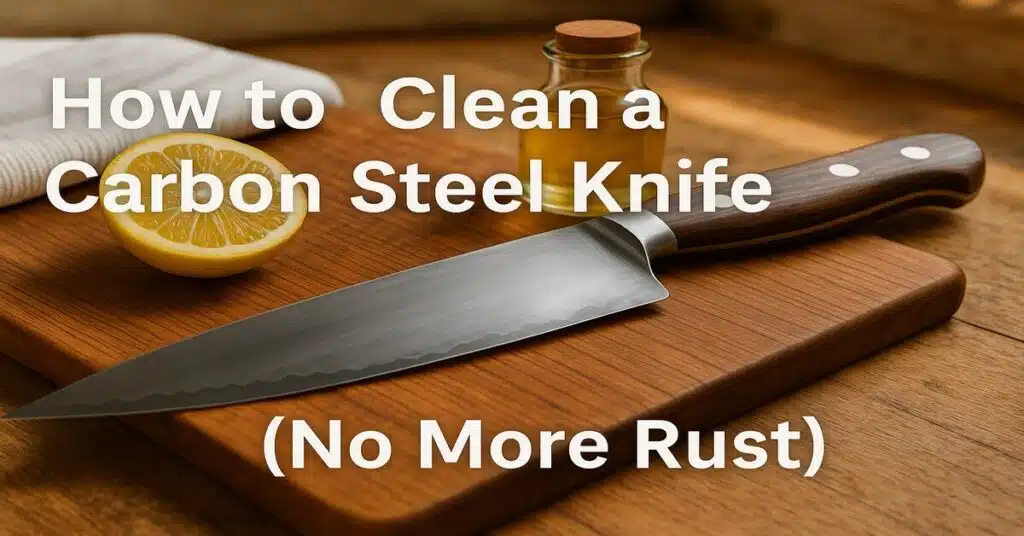
How to Prevent Rust
Rust forms when water stays on the blade.
Follow these steps:
- Dry the knife right after washing
- Do not leave it in the sink
- For carbon steel knives, add a thin layer of knife oil
- Keep away from moisture
A dry knife stays sharp and clean.
Knife Safety Rules
Keep your hands safe while using and cleaning knives.
- Always cut on a stable cutting board
- Keep your fingers away from the blade
- Never try to catch a falling knife
- Hold the handle firmly
- Store safely to avoid accidents
Safe habits make cooking easier and prevent injuries. For more food-safety advice on preventing cross-contamination while cutting meat and vegetables, see the CDC’s cross-contamination prevention guidelines.
For more official safety recommendations, you can also check the FDA’s official kitchen knife safety guidelines.
Why You Should Never Use a Dishwasher
Dishwashers damage knives because:
- Heat weakens the glue inside the handle
- Water pressure dulls the edge
- Metal clashes cause chips and cracks
One dishwasher cycle can ruin the blade.
Final Tip
Take care of your knife with simple daily habits. A well-maintained knife cuts better, lasts longer, and keeps your cooking safe.
Still unsure? Here are clear answers to the most common questions US home cooks ask about picking the right kitchen knife.
Common Questions About Choosing the Right Kitchen Knife
How do I choose the right kitchen knife?
Choose a knife that feels balanced, stays sharp, and fits your hand well. Look for good steel, a comfortable handle, and the right size for your cooking.
What should I look for when buying a kitchen knife?
Check the balance, steel quality, handle comfort, and blade shape. These four factors decide how well the knife will cut and how long it will last.
What are the top 3 knives every kitchen should have?
A chef’s knife, a paring knife, and a serrated bread knife. These three cover almost all daily cooking tasks in US kitchens.
What is the best size kitchen knife for beginners?
An 8-inch chef’s knife is the best size for beginners. It gives control, comfort, and works for most types of cutting.
Which kitchen knife is best for everything?
The 8-inch chef’s knife is the best all-purpose knife. It slices, chops, dices, and handles 90% of daily meal prep.
What are three signs of a good kitchen knife?
Good balance, strong edge retention, and a comfortable handle.These show that the knife will cut well and stay sharp longer.
Is Japanese or German steel better?
Japanese steel is sharper; German steel is stronger and lower maintenance. Choose Japanese for thin slices and German for heavy daily use.
What’s sharper, 15° or 20°?
A 15° edge is sharper; a 20° edge is stronger and lasts longer. Japanese knives use 15°, German knives usually use 20°.
Do chefs prefer stainless steel or carbon steel?
Chefs use both: stainless steel is easy to care for, carbon steel is sharper. Carbon steel needs more cleaning, but many pros love the edge.
What is the golden rule of knife safety?
Always cut with a sharp knife and keep your fingers away from the blade. A sharp knife is safer because it does not slip.
What are the 5 basic knife safety rules?
Use a cutting board, keep the blade sharp, hold the handle firmly, store safely, and never catch a falling knife. These rules prevent most kitchen accidents.
Should you wash knives after sharpening?
Yes, always wash the blade after sharpening. It removes metal dust and keeps food safe.
Is it better to wash knives by hand or dishwasher?
Always wash knives by hand. Dishwashers damage the edge, weaken the handle, and cause rust.
Do I need to oil my kitchen knives?
Oil only carbon steel knives to prevent rust.Stainless steel does not need oil, only quick drying after washing.
Now that you know every part of choosing the right knife, here is a quick final summary to help you make the best choice.
Final Verdict: How to Choose the Right Kitchen Knife for Your Kitchen
The right kitchen knife should match your cooking style, your hand, and your budget.
You do not need a big knife set or ten different blades. Most US home cooks are fully covered with just three knives:
- An 8-inch Chef Knife
- A Paring Knife
- A Serrated Bread Knife
Start by thinking about what you cook most. Choose a chef knife for daily cooking, a Santoku or Nakiri if you love vegetables, and a boning knife if you prepare a lot of meat. Pick a size that feels safe in your hand—usually 8 inches for most people and 6 inches for smaller hands.
Next, choose the steel type and build quality. German steel is strong and low-maintenance, while Japanese steel is sharper and better for thin slices.A full tang, well-balanced knife with a comfortable handle will always feel safer and easier to use.
Finally, set a realistic budget. Pick a trusted brand in the price range that fits you, and invest in one or two good knives instead of a large, weak set. With the right knife, everyday cooking becomes faster, safer, and much more enjoyable.
If your knife feels good in your hand, stays sharp, and makes cutting easy, then you have chosen the right kitchen knife for your home.
If you want a complete buying guide that covers budget, knife types, and common mistakes, see our full kitchen knife buying guide for home cooks.

![7 Pro Tips How to Sharpen a Fillet Knife for Clean Cuts [2025]](https://kitchenpluse.com/wp-content/uploads/2025/09/7-Pro-Tips-How-to-Sharpen-a-Fillet-Knife-for-Clean-Cuts-2025-1024x536.webp)