
Finding the best dishwasher tub is not as simple as it sounds. Many people wonder which option is better — plastic or stainless steel — and what actually lasts longer, dries better, and makes less noise.
Here’s the short answer: Both can work well, but stainless steel tubs perform better in heat retention, drying, noise control, and long-term durability.
Last year, when I remodeled my kitchen, I faced the same confusion. Every model looked good on paper, yet the tub material changed how the dishwasher performed in real life. So I spent days researching, visiting showrooms, and asking neighbors about their experience.
From that journey, I learned something important: Your dishwasher tub material affects drying performance, noise level, energy use, and how long the machine lasts.
In this guide, I break it down in a simple, practical way so you can confidently choose the best dishwasher tub material for your home. If you’re buying a dishwasher soon, you may want to read this dishwasher buying guide to understand the full picture before choosing a model.
Plastic vs Stainless Steel Dishwasher Tubs: Key Differences You Should Know
Choosing the right dishwasher tub matters more than most people think. The tub material affects how well your dishes dry, how much noise the machine makes, and how long the dishwasher lasts. Plastic and stainless steel tubs act very differently when they face heat, steam, and daily use. Knowing these differences helps you pick the right option for your home.
Why Tub Material Matters More Than You Think
Many people look at brands or wash cycles first, but the tub material plays a big role in real-life performance.
Stainless steel tubs hold heat well, so dishes dry faster. They also keep noise low during a wash. Plastic tubs can clean well too, but they do not hold heat as strongly. Because of this, the drying stage takes more time, and the machine may sound louder.
These small differences become important if you wash dishes at night or live in a small home where noise travels easily.
To understand why drying, heat retention, and noise levels vary so much between plastic and stainless steel tubs, you can read this guide on how does a dishwasher work. It explains how the heating and drying system affects the dishwasher’s overall performance.
The Core Performance Differences at a Glance
Stainless steel tubs offer quiet washes, strong heat retention, and better durability. They also resist stains and odors, which makes them easy to maintain.
Plastic tubs cost less and work well for simple daily use. However, they may stain over time, hold smells, and struggle with drying performance.
When you know how each tub behaves, it becomes easier to choose the right one—whether you want a quiet kitchen, long-term value, or a low-cost option.
Plastic vs Stainless Steel Dishwasher Tubs — Side-by-Side Comparison
| Feature | Plastic Dishwasher Tub | Stainless Steel Dishwasher Tub |
|---|---|---|
| Drying Performance | Slower drying; loses heat quickly | Fast drying; retains heat well |
| Noise Level | Louder during wash cycles | Much quieter; better sound insulation |
| Energy Efficiency | Uses more energy for drying | More energy-efficient; heat helps drying |
| Odor Resistance | May hold smells over time | Resists odors and stains naturally |
| Hard Water Performance | Can show spots or buildup | Handles hard water better |
| Heat-Based Drying | Weak heat retention | Strong heat retention for faster drying |
| Durability | Moderate lifespan | Long-lasting; handles heavy use |
| Stain Resistance | May stain with oily/tomato foods | Resists stains and discoloration |
| Expected Lifespan | 5–7 years | 10+ years |
| Maintenance | Needs more cleaning | Easy to maintain; mold-resistant |
| Warranty | Shorter warranties | Longer warranties available |
| Cost | Budget-friendly | Higher price but better long-term value |
Which Tub Type Works Better?
Stainless steel tubs perform better in most areas, including drying speed, noise control, odor resistance, and long-term durability. They cost more, but they offer strong value over time. Plastic tubs are still a good choice if you want a budget-friendly option or use your dishwasher lightly. Your choice depends on your budget, noise preference, and how often you wash dishes.
Pros and Cons of Plastic vs Stainless Steel Dishwasher Tubs
Pros of Stainless Steel Tubs
- Dries dishes faster, because steel holds heat well
- Quieter wash cycles, ideal for small homes or night-time use
- Resists stains and odors, even after heavy cooking
- Lasts longer, which makes it better for long-term value
- More energy-efficient, especially during drying
- Premium look and feel, which improves the kitchen’s appearance
Cons of Stainless Steel Tubs
- Higher upfront price
- May show water spots if not wiped
- Heavier, which raises the overall cost of the dishwasher
Pros of Plastic Tubs
- Low-cost option, perfect for budget buyers
- Lightweight, which reduces dishwasher price
- Does not dent easily, even with rough use
- Cleans well for simple daily needs
Cons of Plastic Tubs
- Holds odors over time
- Poor heat retention, so dishes take longer to dry
- Louder wash cycles
- More likely to stain
- Needs more cleaning to prevent mold
- Shorter lifespan (5–7 years on average)
Stainless steel tubs perform better in drying, noise reduction, and long-term durability.
Plastic tubs offer good value if you want a simple, low-cost dishwasher for basic use.
Stainless Steel Dishwasher Tub Advantages
A stainless steel tub offers several real-life benefits that make your dishwasher easier to use and more reliable. Here are the key advantages:
Quieter Wash Cycles
Stainless steel absorbs sound better than plastic. This keeps the machine quiet during long wash cycles, which is helpful if you wash dishes at night or live in a small apartment.
Faster and Better Drying
Steel holds heat well, so dishes dry faster after the final rinse. This reduces wet spots and saves time because you do not need to towel-dry anything.
Longer Lifespan
Stainless steel tubs resist cracks, stains, and odors. They stay strong even after years of daily use, making them a better long-term choice.
Better Odor Control
Unlike plastic, steel does not absorb smells from strong or oily foods. This keeps the dishwasher fresh and reduces the need for deep cleaning.
Strong Against Hard Water
Stainless steel handles hard water better. It resists mineral buildup and is easier to wipe clean.
Plastic Dishwasher Tub Disadvantages
Plastic tubs work well for simple, everyday use. But they do have some clear downsides you should know before buying.
Poor Heat Retention
Plastic cannot hold heat the way stainless steel does. Because of this, dishes take longer to dry, and you may often find water drops or damp plates after the wash cycle.
According to EnergyStar drying standards, dishwashers with stronger heat retention use less energy and dry dishes more efficiently. You can see their full guidelines on energy-efficient dishwasher performance.
Can Absorb Odors
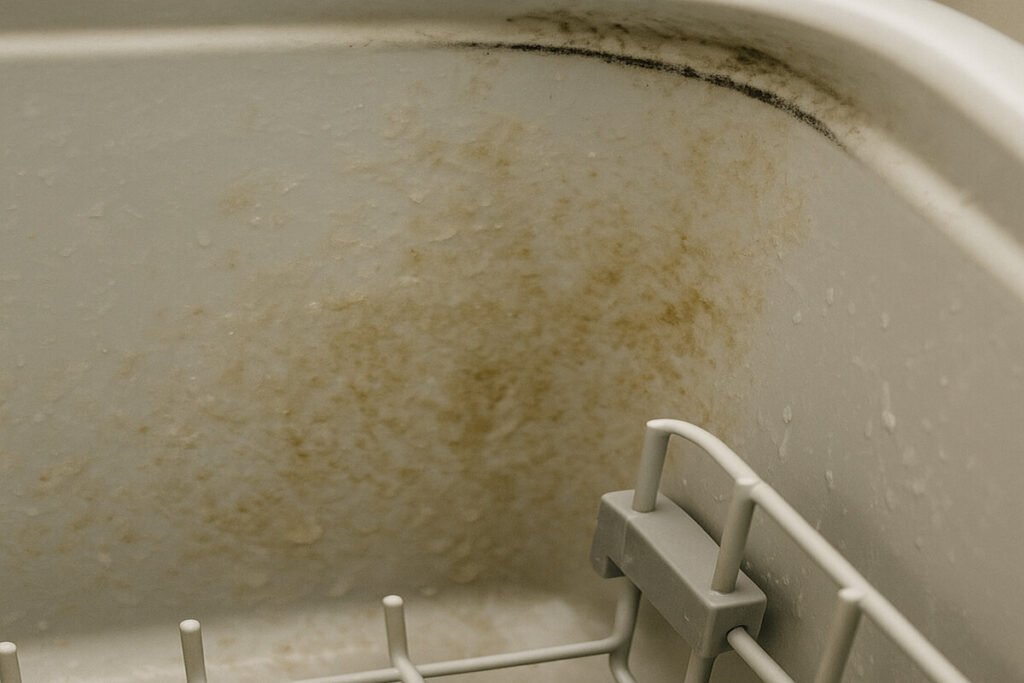
Plastic tubs can hold smells from food—especially oily, spicy, or strong-flavored meals. Over time, this may make the dishwasher smell even when it is empty.
Household dishwashers with plastic interiors are more likely to trap moisture and organic residue, which encourages odor buildup. For proper hygiene and mold prevention, you can follow the official NSF dishwasher hygiene standards that explain safe cleaning practices and material safety.
Louder Operation
Plastic reflects sound instead of absorbing it. This can make the dishwasher sound louder during spraying and draining, which may bother you if your kitchen is close to your bedroom or living room.
More Prone to Staining
Foods like tomato sauce, curry, or greasy dishes can leave stains on plastic tubs. Some marks fade, but many never go away completely.
Shorter Lifespan
Plastic tubs can weaken, discolor, or wear out sooner than stainless steel. Most last about 5–7 years, while stainless steel tubs often last 10+ years with normal use.
To keep your dishwasher tub in good shape and prevent stains, smells, and long-term wear, you can follow these helpful dishwasher maintenance tips. They show you how to care for your dishwasher tub and keep it performing well for years.
Are Plastic Dishwasher Tubs Noisy?
Yes, plastic tubs are usually noisier than stainless steel tubs. Plastic does not absorb sound as well as steel, so more noise escapes during a wash cycle. This can be noticeable, especially in smaller homes.
Independent tests from Consumer Reports dishwasher noise guide show that stainless steel tubs consistently score better in noise control because they absorb sound and handle heat more efficiently.
Here’s what you may hear:
- More water spraying during washing
- Louder cycles at night, which may disturb your sleep
- Extra rattling sounds in thinner or lightweight models
If you enjoy quiet dinners or live in an apartment with an open kitchen, this extra noise can matter more than you expect.
Do Stainless Steel Dishwasher Tubs Rust?
No, stainless steel dishwasher tubs do not rust during normal use. Many people worry about rust, but this idea comes from a common misunderstanding. Modern stainless steel tubs are built to handle water, heat, steam, and everyday detergents without corroding.
These tubs only risk rust if the surface is scratched deeply or if very harsh chemicals are used. In regular daily use, a stainless steel tub stays clean, strong, and rust-free for many years.
Which Dishwasher Tub is Better for Families?
Choosing the right tub depends on how often you use your dishwasher and what features matter most in your home.
For Families With Kids
A stainless steel tub is usually the better choice. It dries dishes faster, stays odor-free, and runs much quieter. These features are helpful when you run the dishwasher more than once a day or during busy evenings.
For Elderly Couples
A quieter wash cycle and better drying performance make stainless steel a more comfortable option.
There is less noise and less need to towel-dry dishes.
For Students or Renters
A plastic tub can work well if you wash dishes less often or need a low-cost option. It cleans well enough for simple daily use and keeps the price of the dishwasher lower.
Summary
- Choose stainless steel if you want a quieter home, faster drying, and long-term value.
- Choose plastic if you are on a budget or need a basic dishwasher for light, everyday use.
FAQs: Plastic vs Stainless Steel Dishwasher Tubs
Is a stainless steel dishwasher tub better than plastic?
Yes. Stainless steel dishwasher tubs are better because they dry faster, stay quieter, and last longer.
They resist stains, odors, and heat better, making them ideal for long-term use.
Why do plastic dishwasher tubs take longer to dry?
Plastic tubs take longer to dry because they do not retain heat well.Heat escapes quickly, so moisture remains on dishes after the wash cycle.
Which dishwasher tub lasts longer: plastic or stainless steel?
Stainless steel tubs last longer—typically 10+ years. Plastic tubs generally last around 5–7 years before they discolor or weaken.
Do plastic dishwasher tubs smell over time?
Yes. Plastic tubs can absorb odors from oily or spicy foods. If the tub stays damp and closed, the smell becomes stronger over time.
Are stainless steel dishwasher tubs noisy?
No. Stainless steel tubs are quieter because they absorb sound better than plastic. This makes them ideal for open kitchens or night-time washing.
Can stainless steel dishwasher tubs rust?
They rarely rust because modern stainless steel tubs are corrosion-resistant. Rust appears only if the surface is scratched deeply or exposed to harsh chemicals.
Are plastic dishwasher tubs safe to use?
Yes, plastic tubs are safe for daily use, but they may stain and hold odors. Regular cleaning reduces smell and discoloration.
Which tub type is better for hard water areas?
Stainless steel tubs are better for hard water because they resist mineral buildup. They also avoid long-term staining.
Do stainless steel tubs save more energy?
Yes. Stainless steel tubs save energy because they retain heat during drying. This reduces electricity use and speeds up drying.
Which dishwasher tub is easier to clean?
Stainless steel tubs are easier to clean and maintain. They resist mold and stains, while plastic tubs need more frequent cleaning.
Final Verdict: Which Dishwasher Tub Should You Choose?
Both tub types can clean your dishes well, but they offer very different experiences in daily use. If you want a dishwasher that dries faster, stays quiet, and lasts for many years, a stainless steel tub is the stronger choice. It costs more upfront, but its long-term performance and durability are worth it for most homes.
A plastic tub is a good pick if you want something simple and affordable. It works well for light use, small kitchens, or tight budgets. However, you may deal with more noise, slower drying, and occasional odors.
Quick Decision Guide
- Choose Stainless Steel → if you want quiet washes, fast drying, long life, and a fresh-smelling dishwasher.
- Choose Plastic → if you want a low-cost option and do not mind a bit more noise or longer drying time.
In the end, the best choice depends on your needs, your kitchen setup, and how often you run your dishwasher. When you understand these differences, choosing the right tub becomes much easier.
If you’re ready to choose your next dishwasher, you can explore our complete dishwasher buying guide. It will help you compare features, sizes, and performance so you can pick the perfect model for your home.