If you are new to kitchen knives, it is normal to feel confused about what a chef’s knife is actually used for. Many home cooks hear the term often but are not sure if it is meant only for professionals or for everyday cooking. The good news is simple. A chef’s knife is designed to handle most basic kitchen tasks, and understanding different kitchen knife types can help you choose the right tool for your cooking needs.
What Is a Chef’s Knife Used For? (Quick Answer)
A chef’s knife is a general-purpose kitchen knife used for most everyday food preparation tasks, such as:
- Chopping vegetables
- Slicing meat and poultry
- Dicing fruits and onions
- Mincing herbs and garlic
- General all-purpose cutting using a rocking motion
Because of its balanced design and curved blade, a chef’s knife works well for daily cooking and is considered one of the most versatile kitchen knives.
What Is a Chef’s Knife?
A chef’s knife is a general-purpose kitchen knife. People use it for most everyday food prep tasks. It works well for cutting, chopping, and slicing many types of food.
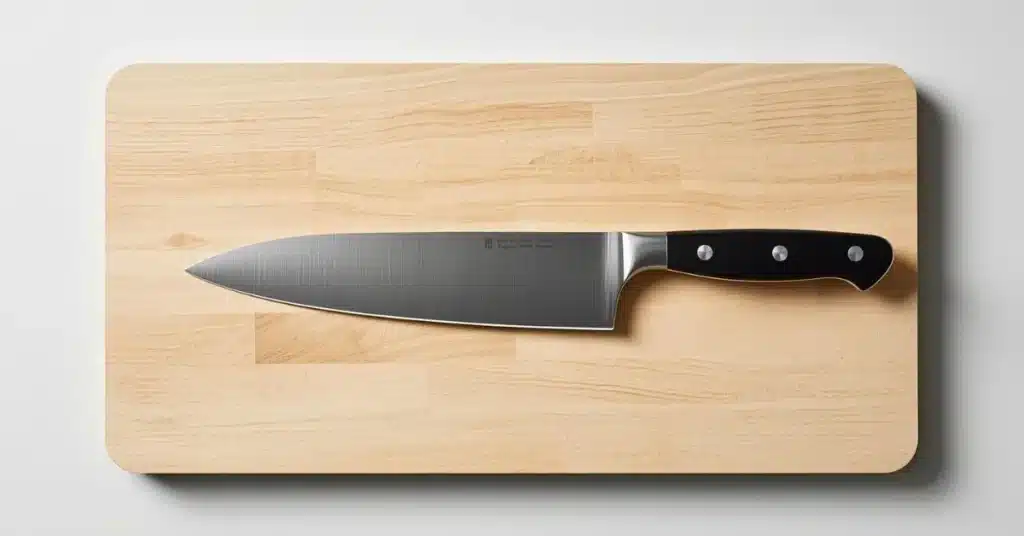
The knife has a long, slightly curved blade and a pointed tip. This shape helps you make clean cuts and move faster while cooking. Understanding a chef’s knife blade shape helps explain why this knife works so well for daily kitchen tasks.
Common Blade Size and Shape
Most chef’s knives come in sizes between 6 and 10 inches. For most home cooks, an 8-inch chef’s knife is the most practical choice because it offers a good balance of control and cutting power. It is long enough to handle large ingredients, yet still feels comfortable to use for daily cooking.
Why?
- It feels easy to control
- It has enough length to cut large foods
- It does not feel too heavy
The curved edge helps you use a gentle rocking motion. This motion makes it easier to chop vegetables, slice meat, and mince herbs without much effort.
Why a Chef’s Knife Is So Versatile
Unlike small knives made for one job, a chef’s knife can do many tasks. Its size, shape, and balance make it useful for daily cooking.
You can use it when:
- Cooking a quick meal at home
- Preparing many ingredients at once
- Cutting both soft and firm foods
Because of this, many people choose a chef’s knife as their first and most important kitchen knife.
What Is a Chef’s Knife Used For?
A chef’s knife handles most everyday cutting tasks in the kitchen. Its length, curved blade, and pointed tip make it useful for both quick prep and careful cutting. This is why many home cooks use it as their main knife for daily food preparation.
Below are the most common ways people use a chef’s knife.
Chopping Vegetables
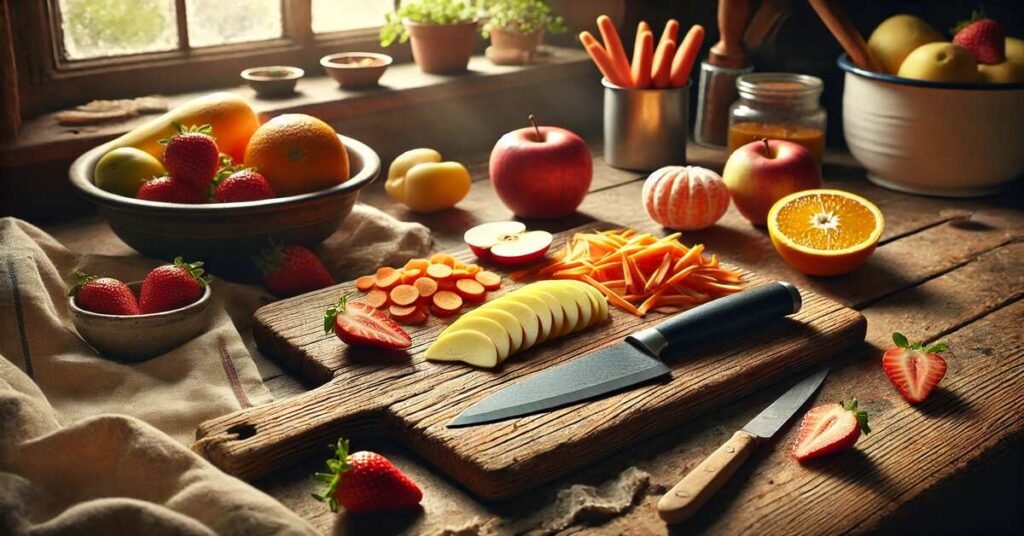
This knife works very well for chopping vegetables like onions, carrots, potatoes, and leafy greens.The curved blade supports a rocking motion, which helps you cut faster and keep pieces even. Because of its size and balance, many home cooks consider it the best knife for cutting vegetables during everyday cooking.
Slicing Meat and Poultry
You can use a chef’s knife to slice boneless meat and poultry with clean, even cuts. The long, sharp blade works well for chicken breast, beef, and cooked meats. For regular kitchen prep, it is often seen as the best knife for cutting meat when bones are not involved.
Dicing Fruits and Onions
This knife is great for dicing fruits and onions into even pieces. The pointed tip helps with control, while the blade length speeds up cutting.
This is useful when preparing ingredients for salads, stir-fries, and sauces.
Mincing Herbs and Garlic
You can also use a chef’s knife to mince herbs and garlic. Keep one hand on the tip of the blade and rock it back and forth.
This method creates fine, even pieces and works better than using a small knife.
Foods You Can Cut With a Chef’s Knife
This versatile kitchen knife can cut many types of food. That is why many home cooks use it as their main tool for cooking. If you cook often, it can handle most daily food prep tasks with ease.
Here are the common foods you can cut with a chef’s knife:
Vegetables
- Onions
- Carrots
- Potatoes
- Bell peppers
- Cabbage
- Zucchini
- Leafy greens
Meat
- Boneless chicken
- Beef
- Pork
- Cooked meats
Poultry
- Trimming chicken
- Slicing turkey without bones
Fruits
- Apples
- Melons
- Citrus fruits
- Mangoes
- Berries
Herbs and Aromatics
- Parsley
- Cilantro
- Basil
- Garlic cloves
- Ginger
- Shallots
Because of its sharp edge and balanced design, a chef’s knife cuts both soft and firm foods smoothly.
So, it works well for everyday cooking, especially if you want to keep your kitchen setup simple. Because this versatile tool can handle many foods, many home cooks rely on it for daily cooking. This simple approach works especially well for beginners who want an easy and practical kitchen.
What a Chef’s Knife Is NOT Used For
A chef’s knife is very versatile. However, it is not made for every cutting task.
Using it for the wrong jobs can damage the blade and increase the risk of injury. So, knowing what not to cut with a chef’s knife is just as important as knowing how to use it.
Here are the main chef knife limitations you should keep in mind:
Cutting Bones
Do not use a chef’s knife to cut bones. Bones can chip or dull the blade very quickly. Use a cleaver or a boning knife instead.
Frozen Foods
Avoid cutting frozen meat or solid frozen foods. The blade can slip or crack, which can be dangerous.
Hard Shells
Do not cut hard shells, such as lobster shells or thick squash stems. These can damage the edge of the knife.
Bread and Pastries
A chef’s knife does not work well for bread. Use a serrated bread knife for clean slices.
Prying or Twisting
Never use a chef’s knife to pry things open or twist inside hard foods. This can bend the blade or cause it to break. Using the right knife for the right task helps keep your chef’s knife sharp, safe, and effective for everyday cooking. Learning basic knife safety tips also reduces the risk of accidents and helps your knife last longer with proper care.
Chef’s Knife vs Other Kitchen Knives
Many home cooks feel confused because there are many kitchen knives to choose from.
A simple comparison can help you understand where a chef’s knife fits, without making things complicated.
Below is how a chef’s knife compares to two common kitchen knives.
Chef’s Knife vs Santoku Knife
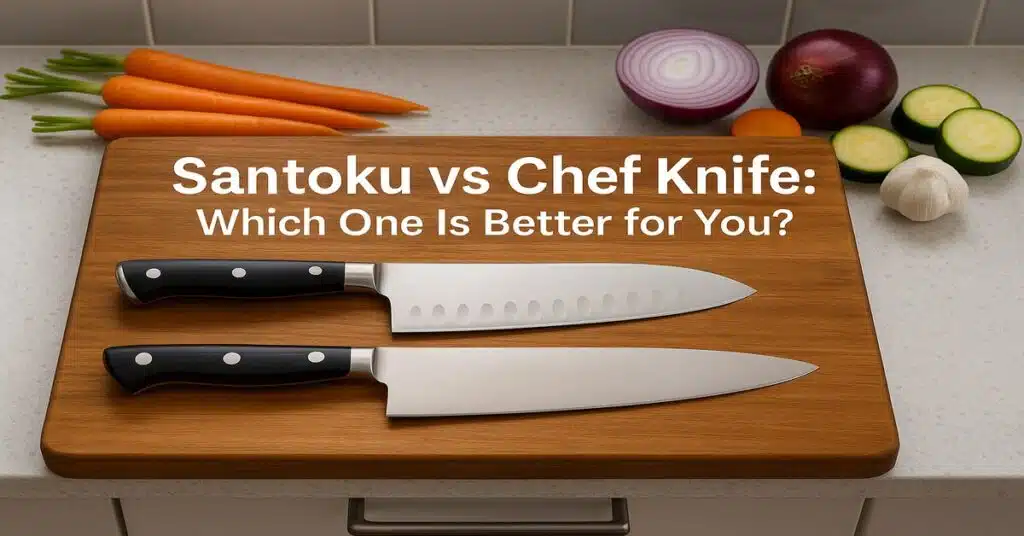
A chef’s knife and a Santoku are both all-purpose kitchen knives, but they differ in shape and cutting style. A chef’s knife has a longer, curved blade that supports a rocking motion, while a Santoku usually has a flatter edge and works with an up-and-down motion.
Chef’s Knife vs Utility Knife
A utility knife is smaller and lighter than a chef’s knife. It works well for small tasks like slicing fruit or cutting sandwiches.
However, it does not have the blade length or weight needed for larger prep work. A chef’s knife handles bigger ingredients and faster food prep more easily.
If you want just one knife for your kitchen, a chef’s knife can cover more tasks than a utility knife.
Is a Chef’s Knife Good for Beginners?
Yes, a chef’s knife is a great choice for beginners. It can handle many kitchen tasks, so you do not need many knives at the start.
For new home cooks, a chef’s knife feels easy to control. It offers the right balance of size, comfort, and weight. The curved blade helps you learn basic cutting moves faster.
The weight of the knife guides each cut. So, you do not need to push hard while cutting.
Many beginners start with just one chef’s knife since it can manage most food preparation tasks. If you are new to cooking, picking the right knife matters. Many home cooks prefer this option because it feels easy to control and works well for daily meals.
This one-knife kitchen approach builds confidence and keeps cooking simple. Because it is so versatile, a chef’s knife works well for everyday cooking, even as your skills grow.
Do Professional Chefs Use Chef’s Knives?
Yes, professional chefs use chef’s knives every day. In most restaurant kitchens, a chef’s knife is the main tool for daily food prep.
Chefs use chef’s knives to chop vegetables, slice meat, and prepare large amounts of food.
Even though professionals own many special knives, the chef’s knife stays at the center of their knife set.
The reason is simple. A chef’s knife offers the right balance of control, speed, and comfort during long prep sessions.
The real difference between home cooks and professional chefs is not the knife itself. It is how often the knife is used and how well it is cared for.
Because of this, a chef’s knife is a smart choice for anyone who wants to cook with confidence, both at home and in professional kitchens. Educational sources that explain chef’s knife design and history also show why this knife has remained a standard tool in professional kitchens for many years.
How to Use a Chef’s Knife Properly
Using a chef’s knife the right way makes cooking safer and easier. You do not need professional training. A few simple habits are enough.Follow these basic steps to use a chef’s knife with confidence.
Start With a Proper Grip
Hold the handle firmly. Pinch the blade near the handle with your thumb and index finger.This grip gives you better control and helps keep the knife steady while cutting.
Use a Stable Cutting Board
Place your cutting board on a flat surface. If it moves, put a damp towel under it.A stable board keeps the knife from slipping and improves safety.
Use a Rocking Motion
Keep the tip of the blade lightly on the cutting board. Lift the handle up and down as you cut.This rocking motion works well for chopping vegetables, herbs, and garlic.
Focus on Safety
Tuck your fingers in on your non-cutting hand. Move them back slowly as you cut.Take your time, especially while learning. Slow cuts are safer and more accurate.
With these simple steps, a chef’s knife becomes easy to control and safe to use for everyday cooking.
Using proper technique is only part of using a chef’s knife well. To keep the blade sharp and safe over time, regular care matters just as much. Simple habits like learning how to sharpen a kitchen knife and following basic knife maintenance tips can help your chef’s knife last longer and perform better during everyday cooking.
Common Questions About Chef’s Knives
Can you use a chef’s knife for everything?
A chef’s knife can handle most everyday kitchen tasks like chopping, slicing, and dicing. However, you should not use it for cutting bones, frozen foods, or hard shells, as these can damage the blade.
When should you use a chef’s knife?
You should use a chef’s knife for daily food preparation. It works best for cutting vegetables, slicing meat, mincing herbs, and preparing ingredients for regular cooking.
Is a chef’s knife an all-purpose knife?
Yes, a chef’s knife is considered an all-purpose kitchen knife. Its size, shape, and balance allow it to handle many different cutting tasks with one tool.
Can a chef’s knife cut meat?
Yes, a chef’s knife can easily cut boneless meat and poultry. It is not designed to cut bones or frozen meat, which can dull or chip the blade.
What not to cut with a chef’s knife?
You should not cut bones, frozen foods, hard shells, or bread with a chef’s knife. Using the wrong knife for these tasks can reduce sharpness and increase the risk of damage.
Final Takeaway
A chef’s knife is one of the most useful tools you can have in the kitchen. It handles most everyday cooking tasks, from chopping vegetables to slicing meat and mincing herbs.
For beginners, it keeps things simple. You do not need many knives to start cooking well. One good chef’s knife can cover most needs.
For home cooks, it saves time and effort. Its balanced design, curved blade, and comfortable grip make daily food preparation easier and safer.
Even professional chefs rely on chef’s knives for regular prep work. That shows how practical and dependable this knife really is.If you want one knife that works for everyday cooking, grows with your skills, and fits almost any kitchen, a chef’s knife is a smart and reliable choice.