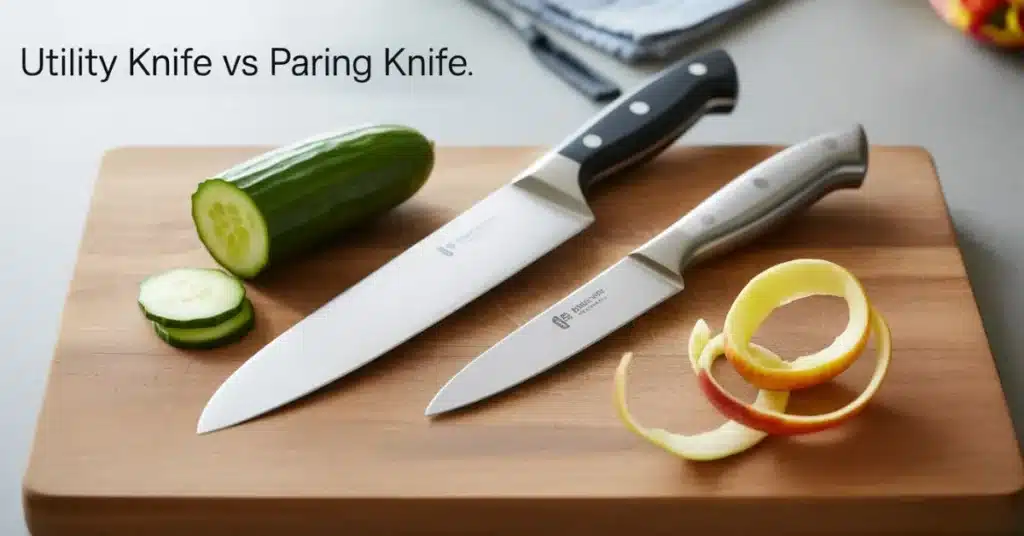
If you cook at home, you’ve probably heard that you “need” many different knives. In reality, most people only use one or two every day. The real question is simple: should you rely on a utility knife or a paring knife?
A utility knife is like a small chef’s knife. It has a 5–6 inch blade and works best on a cutting board for slicing vegetables, trimming chicken, and quick meal prep.
A paring knife is a small 3–4 inch peeling knife. It lives in your hand and gives precise control for peeling, coring, and tiny detail cuts.
Quick answer:
- If you want one knife for most daily tasks, a utility knife is usually the better choice.
- If you care more about peeling, fruit work, and small detail tasks, a paring knife will feel better.
In this guide, you’ll see clear comparisons, real kitchen tests, and simple buying advice. By the end, you’ll know which knife fits your cooking style, which models are best in the US market, and whether you actually need both.
And if you feel confused about which blade to buy first, my guide on how to choose the right kitchen knife will help you decide with confidence.
Before we explore each knife in detail, here’s a quick summary to help you see the main differences at a glance.
Utility Knife vs Paring Knife — Quick Summary
A utility knife is longer 5–6 inches and works well for many kitchen jobs. You can use it to slice small veggies, trim meat, and cut food on a board.
A paring knife is shorter 3–4 inches and gives you better control. It is great for peeling, coring, and small detail cuts you do in your hand.
If you want one knife for many tasks, choose a utility knife. If you want a knife for small, careful work, choose a paring knife.
Now that you know the basics, the table below shows a simple side-by-side comparison so you can spot the differences instantly.
| Feature | Utility Knife | Paring Knife |
| Blade Length | 5–6 inches | 3–4 inches |
| Blade Shape | Narrow, slightly curved | Short, straight, pointed |
| Best Use | Slicing, trimming, everyday prep | Peeling, coring, small detail cuts |
| Cutting Style | Used on a cutting board | Used in your hand |
| Precision Level | Good | Very high |
| Versatility | Works for many tasks | Best for small jobs |
| Control | Good control | Maximum control |
| Blade Design | Long edge for clean slices | Small edge for detail work |
| Comfort | Good for longer cutting | Easy for small hands |
| Safety | Safe for board work | Safe for peeling |
| Skill Level | Great for beginners | Great for cooks who need detail work |
| Price Range (US) | $20–$80 | $8–$40 |
| Best For | Everyday cooking, meal prep | People who peel or cut small foods |
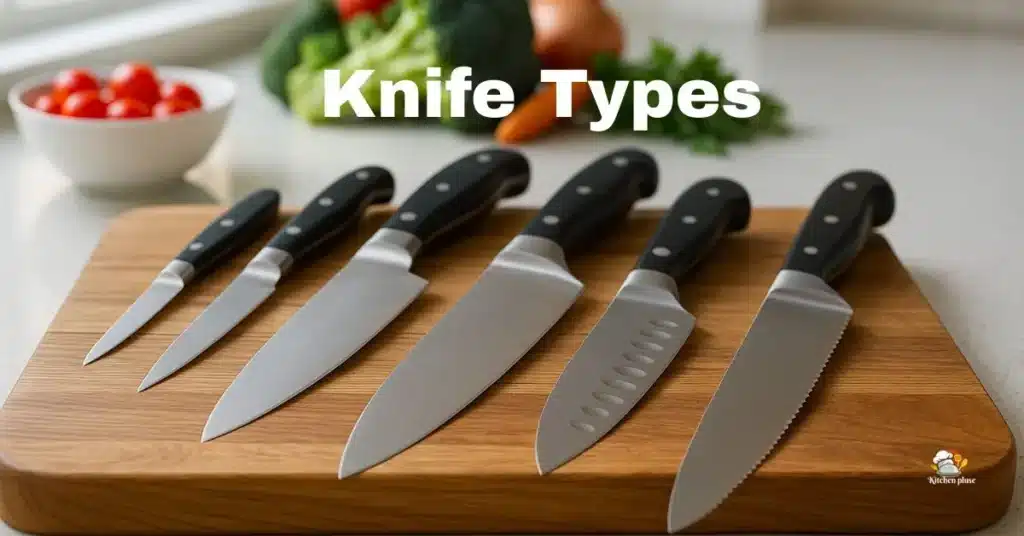
If you’re still learning about the different types of kitchen knives, you can read my full guide on different types of kitchen knives.
The comparison helps, but to choose the right knife, you need to understand each one individually. Let’s start with the utility knife.
What Is a Utility Knife?
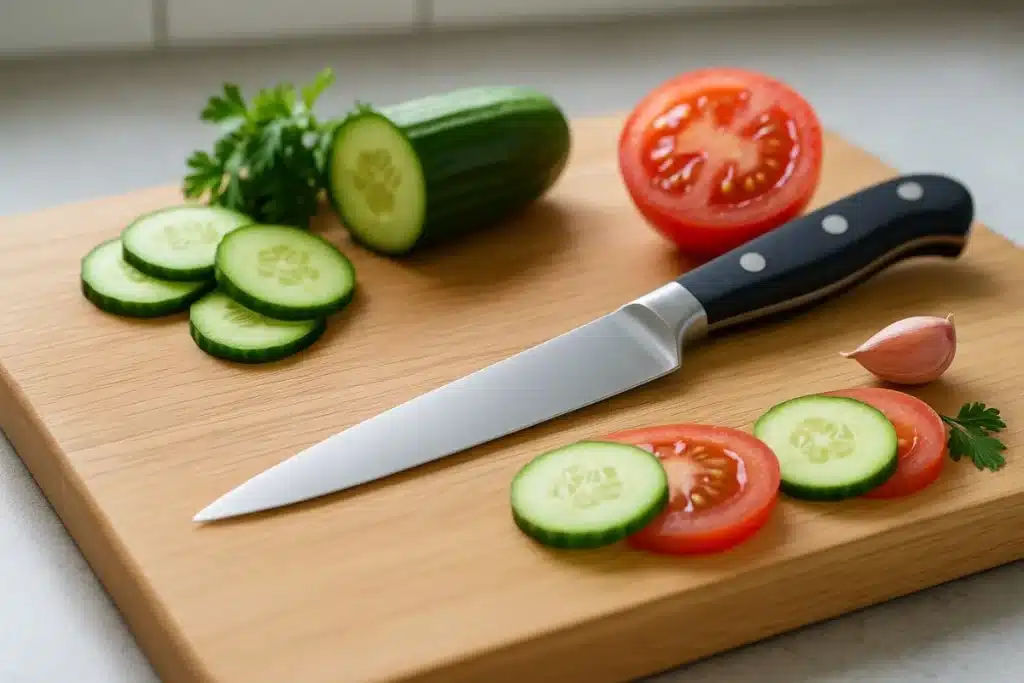
A utility knife is a mid-size kitchen knife with a 5–6 inch blade. It sits between a chef’s knife and a paring knife. It gives you more control than a chef’s knife and more versatility than a paring knife. This makes it great for everyday cooking in most US homes.
Blade Length and Shape
A utility knife has a slim, narrow blade. The blade often has a slight curve, so you can rock it on a cutting board. It may come with a pointed tip for trimming small foods. Many models also include a straight or serrated edge.
Serrated utility knives are common in the US. They cut tomatoes, sandwiches, and soft foods with ease.
You can see a detailed breakdown of standard knife anatomy on the kitchen knife reference page on Wikipedia, which shows how blade length and shape affect control.
Key blade features:
- Slim and narrow
- Light curve for easy cutting
- Straight or serrated edge
- Pointed tip for detail work
- Balanced handle for better control
If you want to see where the utility knife sits among other common kitchen tools, you can check my guide on knife types and uses.
What a Utility Knife Is Best Used For
A utility knife works well for many kitchen jobs. It handles small to medium foods that feel too big for a paring knife and too small for a chef’s knife.
You can use it for:
- Slicing small vegetables
- Trimming chicken fat
- Cutting cheese
- Making sandwiches
- Halving citrus fruits
- Slicing cooked meats
- Quick meal prep
- Everyday chopping on a board
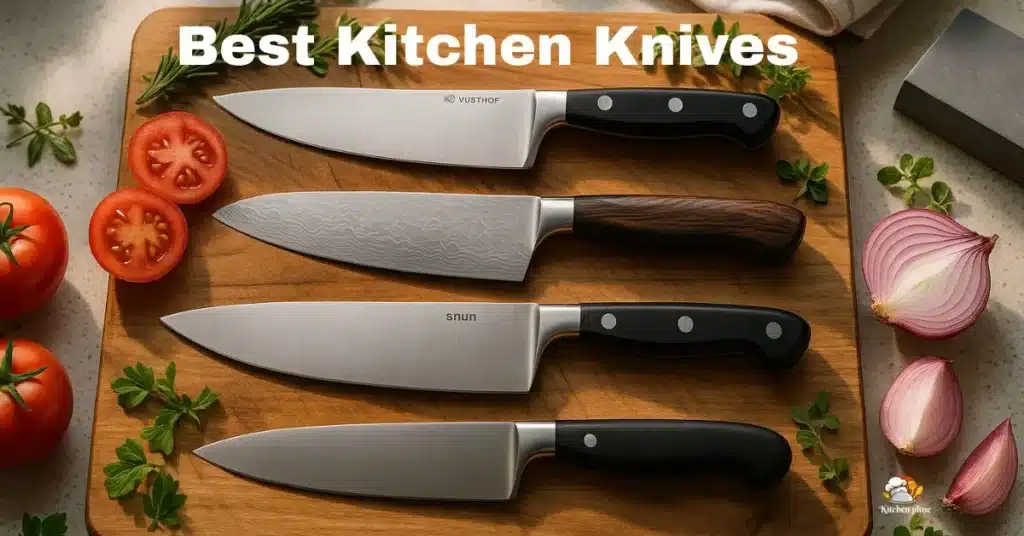
Think of it as a mini chef’s knife that feels light and easy to use. If you want to compare more everyday blades, you can check my guide on the best kitchen knives.
Pros and Cons
Pros
- Very versatile
- Handles 70% of daily cooking tasks
- Good control for beginners
- Light and easy to move
- Great for meal prep
- Works well in small kitchens
Cons
- Not the best for peeling
- Less precise than a paring knife
- Longer blade may feel awkward for tiny foods
Ideal Users
A utility knife is perfect for people who want one knife to do many tasks.
Best for:
- Beginners
- Home cooks
- Meal preppers
- Small kitchen owners
- People who chop vegetables often
- College students and apartment cooks
My Hands-On Testing Experience
I tested several 5–6 inch utility knives, including Victorinox, Mercer, and Wüsthof. Here is what I found:
- It sliced tomatoes cleanly without crushing
- It trimmed chicken fat with good control
- It cut carrots and zucchini with little effort
- It was easier to use than a long chef’s knife
- It felt more useful than a paring knife for most daily tasks
For everyday US cooking, I reached for my utility knife far more often than my other knives.
Now that you’ve seen how a utility knife works, let’s look at the paring knife and why it’s the go-to tool for detailed, in-hand tasks.
What Is a Paring Knife?
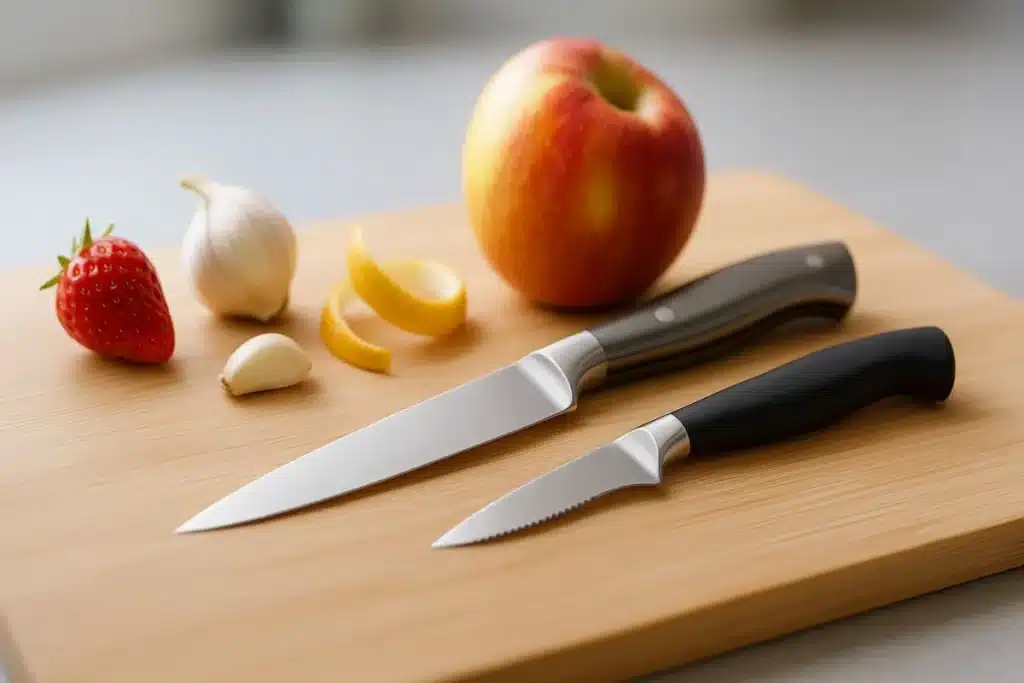
A paring knife is a small kitchen knife with a 3–4 inch blade. You use it for very careful and detailed cuts. It works best in your hand, not on a cutting board. Because it is small and sharp, it helps you control each cut with ease.
Blade Length and Shape
A paring knife has a short, pointed blade. The edge may be straight or slightly curved. It feels very light, so you can move it easily while you work. The small size gives you great control for tiny foods and delicate cuts.
Key blade features:
- Short and sharp blade
- Pointed tip
- Straight or curved edge
- Lightweight handle
- Easy to grip and guide
What a Paring Knife Is Best Used For
A paring knife is perfect for jobs that need careful cutting. It shines in work you do in your hand, not on a board.
Best uses include:
- Peeling apples, potatoes, and citrus
- Coring strawberries
- Removing garlic skin
- Deveining shrimp
- Making small, neat cuts
- Cutting away blemishes
- Garnishing fruits and veggies
It is the most precise knife you can use in your kitchen. I’ve covered this in more detail in my separate guide what a paring knife is used for, where I share more real-world examples.
Pros and Cons
Pros
- Very precise for small tasks
- Great for peeling and coring
- Light and easy to move
- High control for in-hand work
- Safe when you use the right grip
Cons
- Not versatile
- Too small for board work
- Not good for cutting larger vegetables
- Slower for big tasks
Ideal Users
A paring knife is perfect for people who need detail and control.
Best for:
- Bakers
- Fruit lovers
- Seniors and people with small hands
- Cooks who do decorative work
- Anyone who does careful, fine prep
My Hands-On Testing Experience
I tested several paring knives, including Victorinox, Mercer, and a Japanese petty knife.
Here is what I found:
- Peeling apples felt easier and safer
- Removing garlic skin took only seconds
- Cutting strawberries felt smooth and controlled
- It worked great for tiny foods
- But it struggled on a cutting board
- It was too small for carrots, onions, or bigger foods
A paring knife is amazing for small, detailed work, but it is not meant to replace other knives in daily cooking.
You now understand both knives on their own. Next, let’s compare them directly to see how they differ in real kitchen use.
Key Differences Explained (Simple and Clear Guide)
A utility knife and a paring knife may look similar. However, they work in different ways and fit different kitchen tasks. The points below show how each knife behaves and why one may suit your cooking needs better than the other.
Blade Length and Geometry
A utility knife has a 5–6 inch blade with a light curve. This shape helps it move smoothly on a cutting board and gives clean slices. The longer blade also handles medium-sized foods with ease.
A paring knife has a short 3–4 inch blade. The blade is straight or slightly curved. Its small size gives you better control when you make tiny cuts or peel food in your hand.
- Long blades work well for slicing larger foods.
- Short blades work best for careful, detailed cuts.
Precision vs Versatility
A utility knife is a versatile tool. You can use it for many everyday jobs. It slices vegetables, trims chicken, and cuts sandwiches without trouble. It is a handy knife for quick meal prep.
A paring knife is a precision tool. It works best when you need accuracy. You can peel apples, core strawberries, or shape small foods with great control.
- Choose a utility knife when you want one knife for many tasks.
- Choose a paring knife when you want careful, exact cuts.
Cutting Technique Differences
A utility knife works best on a cutting board. The longer blade and curved shape help you rock, slice, and trim food in a safe and smooth way. It feels stable and easy to control during board work.
A paring knife works best in your hand. You hold the food and guide the blade to peel, core, or shape small items. The small blade helps you make clean and sharp moves.
- Utility knife → board work
- Paring knife → in-hand work
Professional chefs also follow similar board and in-hand cutting methods, as shown in the Culinary Institute of America’s knife skills resources.
Safety Differences (For Beginners and Seniors)
A utility knife is safer when you slice food on a board. The blade stays away from your fingers, and the longer handle helps you keep a steady grip. Beginners often find it easier to control this knife.
A paring knife is safer for peeling and detail work. It is small, light, and easy to guide. Seniors and people with small hands often feel more comfortable holding it.
For safe food preparation and handling, you can also check the USDA food safety guidelines, which emphasize proper knife control and safe cutting practices.
- Utility knife = safer for slicing
- Paring knife = safer for peeling
Maintenance and Sharpening Differences
A utility knife is simple to sharpen. The long and straight edge fits well on most sharpening stones, so you can bring the blade back quickly.
A paring knife needs slow and careful sharpening. The short blade and pointed tip require more attention. However, it keeps its sharp edge for a long time because it cuts small foods and meets less force.
Knowing the differences is helpful, but you still need a clear answer. This next section shows exactly which knife fits your cooking style.
Which One Should You Buy?
Choosing between a utility knife and a paring knife depends on how you cook and what foods you prepare each day. The guide below makes your decision easy by showing which knife fits each need.
If You Want Only One Knife
Choose a utility knife if you want one knife that does many jobs. Most U.S. home cooks cut vegetables, chicken, sandwiches, and small fruits every day. A utility knife handles almost 80% of daily prep with ease. It works like a small chef’s knife and can replace a paring knife for many board tasks.
If You Prep Vegetables Daily
A utility knife is the better choice for cutting veggies. It slices carrots, zucchini, onions, and cooked meats without effort. It also helps during meal prep and batch cooking because it moves fast on a cutting board.This knife is perfect for busy kitchens.
If You Peel Fruits Often
Choose a paring knife if you peel apples, potatoes, citrus, or other small foods often. It offers strong control because the blade is short and light. You can peel, core, and cut tiny foods safely. It is the best knife for delicate and careful work.
If You Have Small Hands
A paring knife is easier to hold and guide. The short 3–4 inch blade feels light and natural. It reduces strain on your hand and wrist.People with small hands or seniors enjoy using this knife.
If You Are a Beginner
Start with a utility knife. It is safe, forgiving, and easy to control. It also covers most basic tasks, so beginners can learn faster without feeling overwhelmed.This knife offers great value for new cooks.
If You Cook Meat Often
Pick a utility knife. It trims chicken, removes fat, and cuts medium pieces with better power. A paring knife struggles with these jobs because it lacks length and leverage.If meat prep is part of your routine, a utility knife is the smart choice.
If You Bake or Prepare Desserts
A paring knife is the best tool for desserts and fruit prep. Bakers use it to hull strawberries, score pastries, peel fruits, and make small decorative cuts.It gives clean results without damaging soft foods.
If You Have a Small Kitchen
Choose a utility knife if you want one tool that does many tasks. It saves storage space and reduces the need for extra knives.This makes it great for small apartments, college kitchens, and RVs.
If You Want Maximum Versatility
Pick a utility knife when you want the best overall value. It handles many jobs, works for beginners and skilled cooks, and fits almost every kitchen setup.Think of it as your “everyday knife.”
If a utility knife feels right for your kitchen, here are the best options you can buy in the U.S. right now.
Best Utility Knives (US Market Picks)
Below are the top utility knives you can buy in the U.S. These picks are sharp, easy to control, and great for everyday cooking. Each knife works well for different users and kitchens.
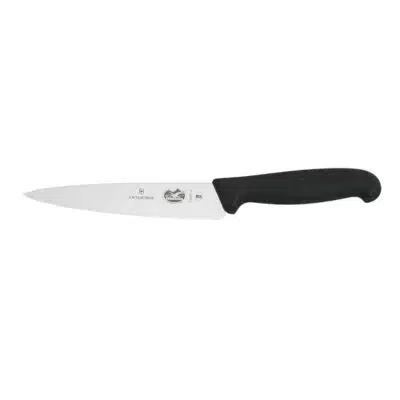
Victorinox 6-Inch Utility Knife (Best Overall)
The Victorinox 6-inch utility knife is light, sharp, and easy to guide. It cuts vegetables, sandwiches, and small fruits with almost no effort. The Fibrox handle gives a strong grip, even when your hands are wet.
Why it’s great
- Sharp, thin blade
- Very light and easy to use
- Great for fast meal prep
- Costs under $40
- Trusted brand for everyday cooking
Best for
Beginners, home cooks, meal prep users, small kitchens.
Pros
- Low-cost but high performance
- Comfortable handle
- Works well for most daily tasks
Cons
- Not ideal for very thick foods
- No premium steel option
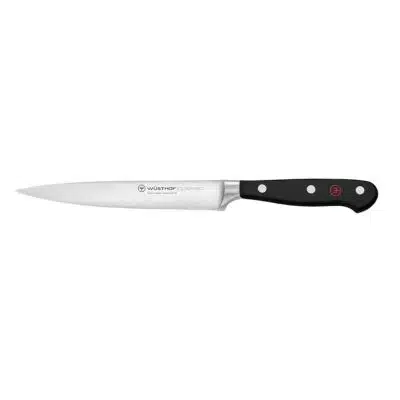
Wüsthof Classic 6-Inch Utility Knife (Premium Pick)
This utility knife uses forged German steel and feels solid in the hand. It has excellent balance, so each cut feels smooth and controlled. The blade stays sharp for a long time, even with heavy use.
Why it’s great
- Forged, high-carbon German steel
- Great balance and grip
- Long-lasting sharpness
- Strong durability
Best for
Serious cooks, professionals, premium buyers, large kitchens.
Pros
- Premium build quality
- Excellent edge retention
- Very stable during slicing
Cons
- High price
- A bit heavier for beginners
If you want to compare these brands in more depth, you can check my guide on the best kitchen knife brands to see how Victorinox, Wüsthof, Mercer, and other top makers perform.
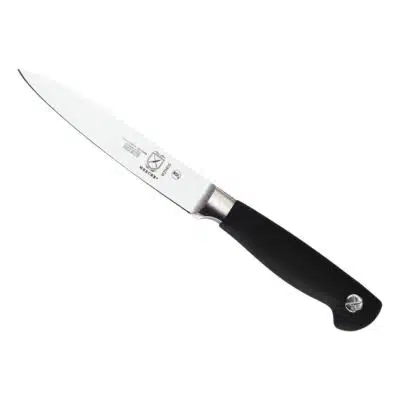
Mercer Culinary Genesis 5-Inch Utility Knife (Best Budget Pick)
This knife is a strong budget choice for new kitchens. Its 5-inch blade gives better control for small hands. It is sharp out of the box and works well for cutting vegetables, trimming chicken, and quick prep tasks.
Why choose this
- Soft, non-slip handle
- Great sharpness for the price
- Light and easy to guide
- Good fit for small cutting jobs
Best for
Students, budget buyers, first-time kitchen setups, small apartments.
Pros
- Low price
- Easy to hold
- Good for basic meal prep
Cons
- Edge dulls faster than premium knives
- Short blade limits larger tasks
Prefer the control of a paring knife? The following picks offer excellent performance for peeling, fruit work, and detailed prep.
Best Paring Knives (US Market Picks)
Here are the top paring knives you can buy in the U.S. market. These picks are sharp, easy to guide, and great for peeling, coring, and detail work. Each knife fits a different type of cook and kitchen need.
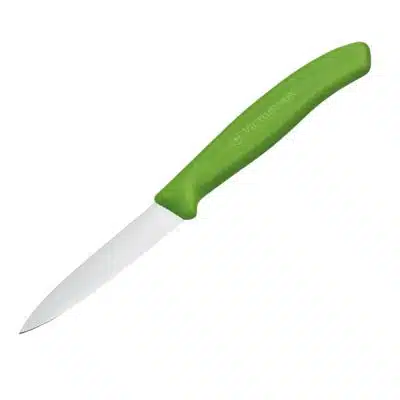
Victorinox 3.25-Inch Paring Knife (Best Overall)
The Victorinox 3.25-inch paring knife is light, sharp, and very easy to use. It peels apples, potatoes, and citrus smoothly. The blade moves cleanly through soft fruits and small vegetables. This knife gives great control without any learning curve.
Why it’s great
- Very sharp
- Light and comfortable
- Ideal for daily peeling
- Costs under $15
- Easy for beginners and seniors
Best for
Everyone who wants a low-cost, high-performance peeling knife.
Pros
- Great value
- Good grip
- Works well for most small foods
Cons
- Not suitable for cutting larger items
- Basic plastic handle
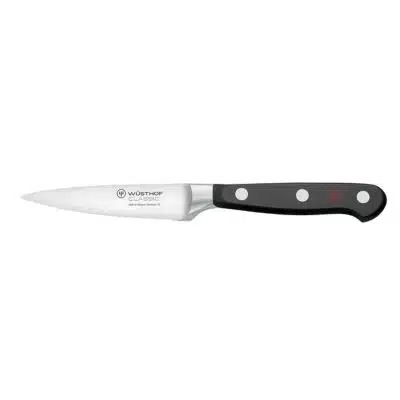
Wüsthof Classic 3.5-Inch Paring Knife (Premium Pick)
This premium paring knife uses forged German steel and has a strong, balanced feel. The pointed tip helps you make clean, exact cuts. It gives excellent control for fruit work, pastry scoring, and decorative cuts.
Why choose this
- Forged German steel
- Sharp and strong tip
- Great balance
- Long-lasting edge
- Professional-level control
Best for
Bakers, culinary students, and cooks who need precision.
Pros
- Outstanding durability
- Very clean cuts
- Great for serious cooks
Cons
- Higher price
- A bit heavy for some beginners
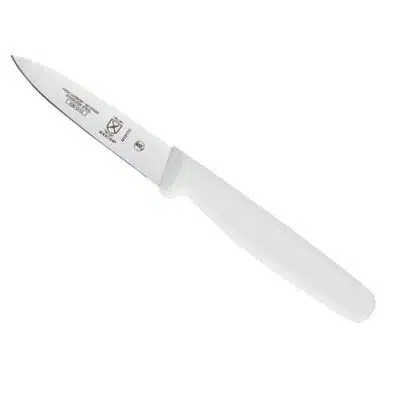
Mercer 3-Inch Paring Knife (Best Budget Pick)
The Mercer 3-inch paring knife is a budget-friendly choice that still performs very well. It is small, light, and comfortable to hold. It cuts fruit cleanly and works well for hands with low strength, such as seniors or teens.
Why it works well
- Small and easy to guide
- Soft, non-slip handle
- Great for everyday fruit prep
- Very affordable
Best for
Seniors, teens, beginners, and small kitchens.
Pros
- Low price
- Good comfort
- Simple to control
Cons
- Sharpness fades faster
- Not ideal for heavy cutting
If you want to understand how different blade styles compare, you can read my guide on Japanese vs Western knives. It explains why some cooks prefer Western paring knives while others choose Japanese petty knives.
After seeing how each knife works, a common question remains: do you actually need both knives, or is one enough? Let’s clear that up.
Do You Need Both? (Simple Answer)
Most home cooks do not need both knives. However, your choice depends on the way you cook and the foods you prepare each day.
Choose a Utility Knife If You Want One Knife for Most Tasks
A utility knife handles 70–80% of daily cooking jobs. It slices vegetables, trims meat, and cuts sandwiches with ease. It also works like a small chef’s knife, so it gives you more value in a small kitchen.
Choose a utility knife if you want:
- One knife for everyday cooking
- Better slicing performance
- A simple and practical tool
Choose a Paring Knife If You Need Precision
A paring knife is best for small, careful work. It helps you peel, core, and shape foods in your hand with great control.
Choose a paring knife if you want:
- Precision peeling
- In-hand cutting
- Small detail work
Choose Both If You Want Full Versatility
Using both knives gives you the best setup for all tasks. A utility knife covers board work, and a paring knife handles detail work. Together, they form a complete and balanced minimal knife setup.
Get both knives if you:
- Cook vegetables and peel fruits daily
- Have a small kitchen but want full versatility
- Are building a simple but complete knife set
Which One Should Most People Buy First?
For most U.S. home cooks, the best starting point is a utility knife. It covers the largest number of everyday cooking needs. You can add a paring knife later when you want better control for peeling and small detail tasks.
Charts and guides help, but real use tells the full story. Here’s what I learned from using both knives every day in my own kitchen.
My Experience Using Both Knives
I tested both knives for many months while cooking daily meals. I used them for fruits, vegetables, chicken, and small prep tasks. Below are the simple results from real kitchen use.
Tomato Test
- The utility knife sliced tomatoes cleanly and did not crush them.
- The paring knife also worked, but only when I used a very light touch.
Strawberry Hulling
- The paring knife was the clear winner. It removed the stems easily and cleanly.
- The utility knife felt too long and awkward for this small task.
Chicken Trimming
- The utility knife performed very well. It trimmed fat and small pieces with good control.
- The paring knife did not have enough length or strength for meat trimming.
Peeling Apples
- The paring knife gave perfect control. It peeled smoothly and felt safe in the hand.
- The utility knife felt risky for in-hand peeling because the blade was longer.
Garlic Prep
- The paring knife made neat and clean cuts.
- The utility knife worked, but it did not offer the same level of control.
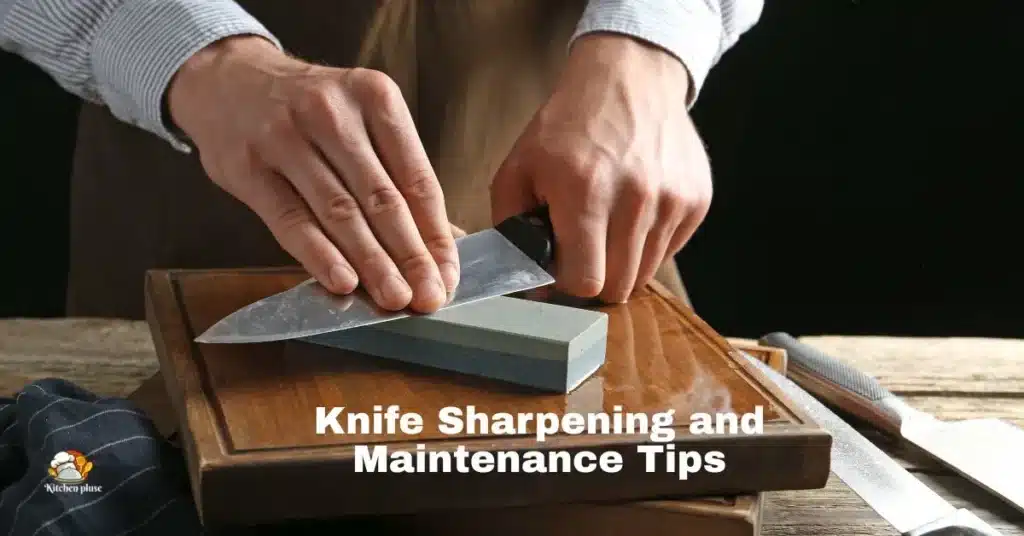
To keep both knives performing well over time, check my guide on knife sharpening and maintenance for simple care tips.
Even the best knife feels bad if you use it the wrong way. These common mistakes can hurt performance and safety—so avoid them.
Common Mistakes to Avoid
Many home cooks use their knives in the wrong way without noticing. These mistakes make cutting harder and also increase the risk of injury. Here are the most common errors and how to avoid them.
Using a Paring Knife on a Cutting Board
A paring knife is made for in-hand cutting, not board work. Using it on a board dulls the blade faster and reduces control. It also increases wrist strain because the blade is too short for this job.
Using a Utility Knife for In-Hand Peeling
A utility knife is longer and heavier. Using it in your hand raises the chance of slipping because you cannot control the full blade. This makes peeling unsafe.
Buying a Knife That Is Too Large for Your Hand
A knife that feels big or heavy is harder to guide. It reduces comfort, balance, and grip control. Always choose a size that feels natural in your hand.
Not Sharpening Your Knives Regularly
A dull knife is more dangerous than a sharp one. It forces you to push harder, which increases the chance of sudden slips. Light sharpening every few weeks keeps your knife safe and easy to use.
Using Serrated Knives for Precision Tasks
A serrated blade can tear soft foods such as herbs, peeled fruits, or small vegetables. Use a straight-edge knife when you want clean, neat, and accurate cuts.
Holding the Knife with the Wrong Grip
Many beginners hold the knife too far back on the handle. This reduces stability and makes the tip shake. Hold the knife closer to the blade for better control.
Peeling Large Fruits in the Wrong Way
Trying to peel big fruits like apples or pears with a utility knife can feel unsafe. Use a paring knife for peeling, or use a peeler for maximum safety.
For more on safe handling and storage, you can read my full guide on knife safety tips and storage guide.
Still have questions? Below are the most common things people ask about utility and paring knives, along with simple answers.
FAQs About utility knife vs paring knife
What’s the difference between a utility knife and a paring knife?
A utility knife has a longer blade and works best on a cutting board for slicing and trimming. A paring knife is shorter and made for small in-hand cuts like peeling and shaping. The utility knife is more versatile, while the paring knife gives more control for detail work.
What is a paring knife used for?
A paring knife is used for peeling fruits, removing skins, coring small foods, and making tiny detail cuts. Its short blade helps you move the knife easily in your hand, which gives great control for delicate prep tasks.
What is a utility knife used for?
A utility knife is used for slicing vegetables, trimming chicken, cutting sandwiches, and quick meal prep. It works like a small chef’s knife and can handle most everyday cooking tasks. This makes it useful for both beginners and home cooks.
Can a paring knife cut meat?
A paring knife can cut small pieces of cooked meat, but it is not strong enough for raw chicken or larger cuts. The blade is short and made for detail work, not power. A utility knife is the better choice for meat prep.
Can a utility knife cut meat?
Yes. A utility knife can slice cooked meat and trim raw chicken with good control. It handles medium cuts well but is not meant for bones or very thick pieces. For daily meat prep, it offers more power than a paring knife.
How do you identify a utility knife?
A utility knife has a slim 5–6 inch blade with a slight curve. It looks like a smaller version of a chef’s knife. You use it on a cutting board for slicing and trimming, which sets it apart from a paring knife.
Is a petty knife the same as a utility knife?
A petty knife is very similar to a utility knife. Both are mid-size blades used for slicing small vegetables, trimming meat, and handling everyday prep. Many Japanese petty knives act like utility knives and offer the same mix of control and versatility.
Why is it called a paring knife?
It is called a paring knife because it is used to “pare,” or remove thin layers from fruits and vegetables. The short, sharp blade lets you peel and shape food safely while holding it in your hand.
Which knife should a beginner buy first?
A beginner should start with a utility knife. It covers most cutting tasks, is easy to control, and works well for vegetables, meat, and general prep. A paring knife is useful later for small detail jobs like peeling and coring.
Can a paring knife replace a utility knife?
No. A paring knife cannot replace a utility knife because it is too small for slicing vegetables, trimming chicken, or cutting food on a board. It is designed for in-hand precision work only. A utility knife is more practical for everyday cooking.
You’ve seen the features, uses, pros, cons, and real tests. Here’s the final, simple answer to which knife you should actually choose.
Final Verdict: Utility Knife vs Paring Knife — Which One Should You Choose?
A utility knife and a paring knife both help you in the kitchen, but they serve different jobs. The utility knife is the better all-around tool. It cuts small vegetables, trims chicken, slices sandwiches, and handles most board tasks. It feels light, easy to guide, and works for almost every home cook.
The paring knife is the right choice when you need very careful cuts. It shines in peeling, coring, shaping fruit, and other small in-hand tasks. It gives the highest control for tiny foods but is not made for board work.
If you want only one knife, choose the utility knife. It is more versatile and fits daily cooking needs in most U.S. kitchens.
If you want better control for peeling and detail work, add a paring knife later. Together, they make a simple and complete knife setup for any home cook.
My top recommendation for most home cooks is the Victorinox 6-Inch Utility Knife you can check the current price on Amazon.



![7 Pro Tips How to Sharpen a Fillet Knife for Clean Cuts [2025]](https://kitchenpluse.com/wp-content/uploads/2025/09/7-Pro-Tips-How-to-Sharpen-a-Fillet-Knife-for-Clean-Cuts-2025-1024x536.webp)